Work, hope and sirens: life in Kyiv today
“What does daily life in Kyiv actually look like right now?”
“How are you coping with everything? We can’t even imagine.”
These are the most common questions that come up whenever people living in Kyiv talk to anyone outside the city. It has been four years and seven months since Russia’s full-scale invasion of Ukraine began. The challenges haven’t stopped, they have simply evolved into harsher, more complex realities.
In this piece, I want to share what early autumn really feels like in Kyiv, what daily life looks like for the FCA team, and how our operations continue under the constant pressure of air raids, missile strikes, and drone attacks, all while preparing for the tough winter ahead.
A city under escalating pressure
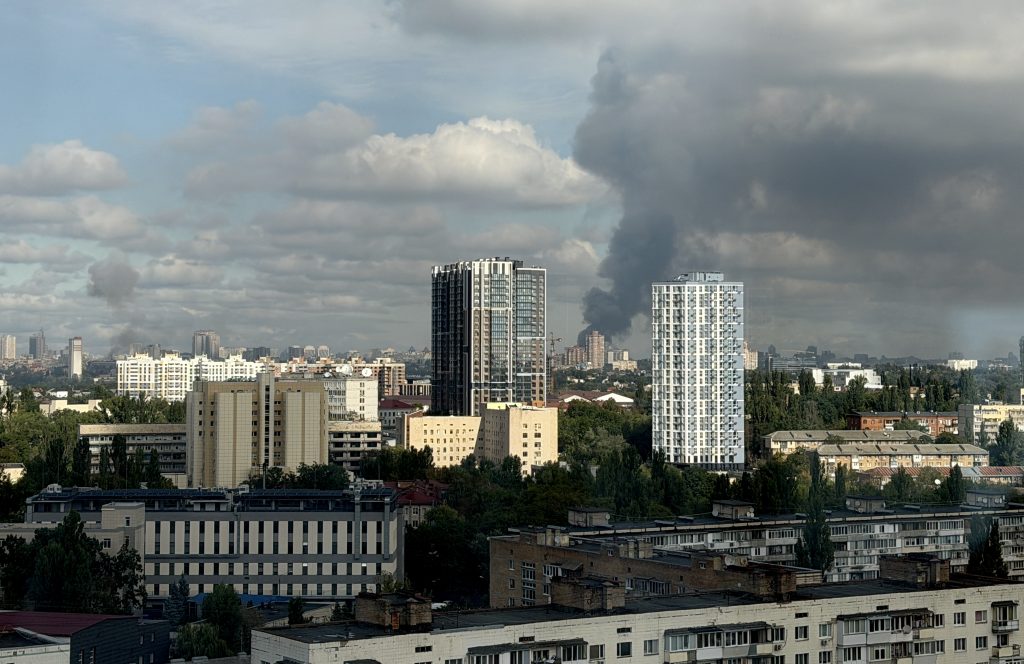
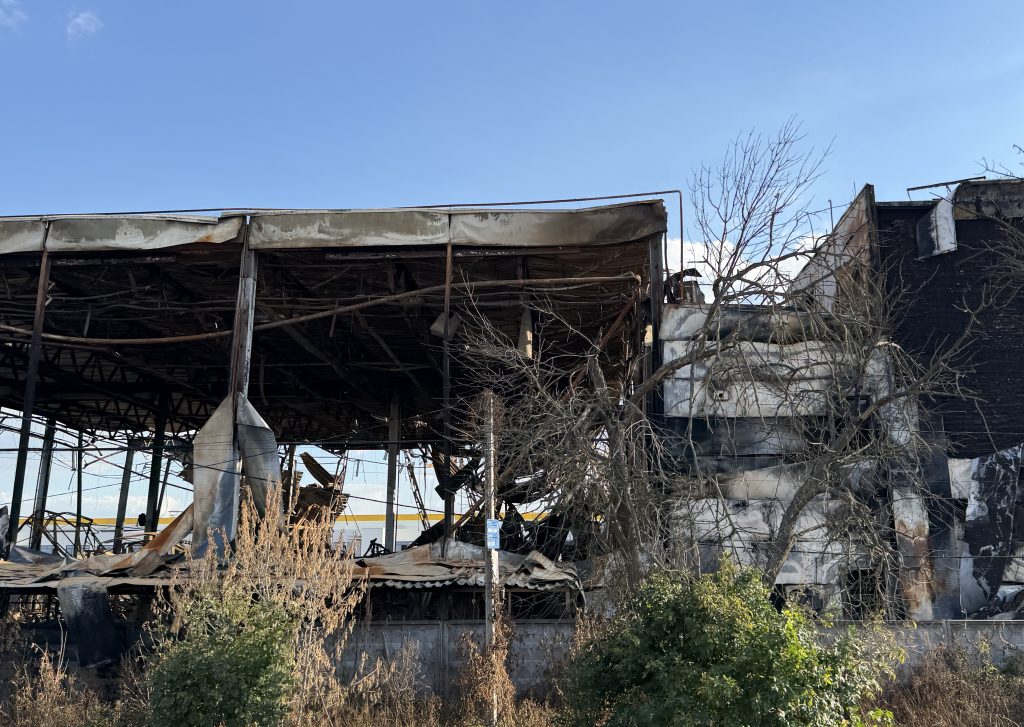
Since July 2026, Russian attacks on Kyiv and the surrounding region have intensified dramatically. The targets are no longer just military facilities; strikes are increasingly hitting purely civilian infrastructure – logistics hubs, postal sorting centers, and the warehouses of major importers of food, electronics, and medicine.
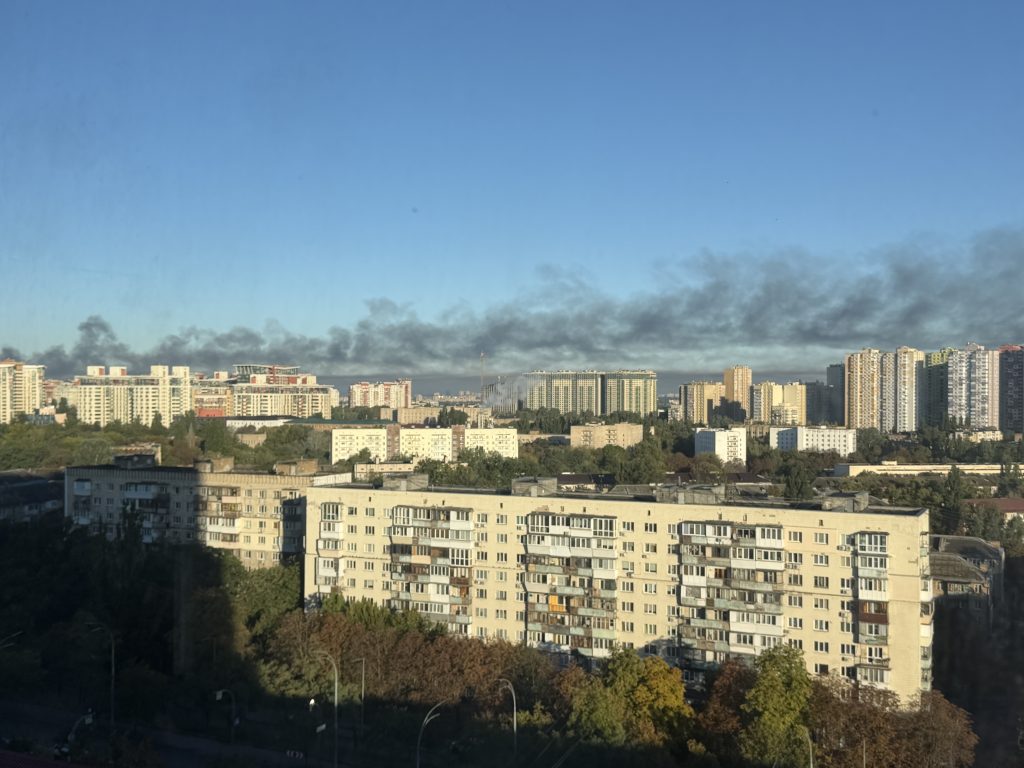
The rhythm of daily life is now dictated by the constant wail of sirens. On August 28, Kyiv recorded 13 air raid alerts in a single day – the highest number in a 24-hour period since the full-scale invasion began. By September, the city was on track for another grim record, enduring over 136 alerts in a single month.
This continuous cycle disrupts every basic aspect of urban life. When an alert sounds, banks and supermarkets close, shopping malls lock their doors, and medical centers are forced to offer only emergency care inside shelters. Schools and universities constantly pivot between underground classrooms and remote learning.
Even simple chores have become unpredictable. With the recent strikes on major supply hubs, finding essential goods is getting harder. For instance, it took me several weeks to track down specific medication my grandmother needed. Meanwhile, a colleague of mine had to start stockpiling dog food after a recent strike destroyed the central warehouses of one of Ukraine’s largest pet supply importers.
People behind the mission
Every single day, the FCA team works tirelessly to keep projects moving forward. We are repairing schools and bomb shelters in local communities, delivering equipment to mobile psychosocial teams, providing heating units and power stations to classrooms before winter sets in, and holding planned events on schedule.
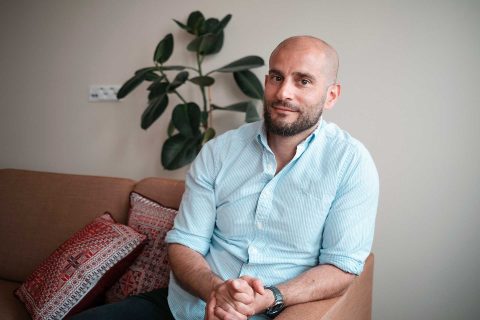
Much of this heavy lifting falls on our procurement department. I sat down with Marianna Zhurbenko, FCA Procurement Manager in Ukraine, to understand the risks and pressures her team faces daily. In fact, during the brief time we spent recording this interview, two air raid alerts sounded across Kyiv.
Beyond the broader economic disruptions, Marianna and her colleagues navigate personal anxiety every day. Recently, our security team provided staff with safe commuting routes across the city, paths explicitly designed to bypass critical infrastructure, gas stations, and industrial warehouses. Looking at the map, Marianna realized there wasn’t a single “safe route” available for her commute home.
Family logistics add another layer of stress. While Marianna’s children attend school, continuing their lessons inside underground shelters during air raids, other team members have children studying online. Leaving kids alone at home during frequent air strikes weighs heavily on parents while they are at the office.
“A new trend is emerging right now,” Marianna notes. “More and more families are moving into rented houses outside the city equipped with wood-burning fireplaces and alternative power sources as they prepare for winter.”
This resonates deeply with me. I am currently relocating part of my own family to a small summer house further away from Kyiv, hoping they will hear fewer explosions and stay warm through the cold months ahead.
Yet, even while managing these personal survival logistics, work challenges continue to mount. In July 2026, a Russian strike completely destroyed the main warehouse of ERC, one of Ukraine’s largest IT distributors and a primary supplier of classroom technology, power stations, and power banks for FCA projects.
According to Marianna, losses like these trigger market-wide price hikes for essential items. On top of rising costs, suppliers are now forced to add mandatory insurance to every shipment.
“We can’t even plan our delivery methods a month in advance,” Marianna explains. “There is no guarantee that a given postal or freight service will still be operational by winter.”
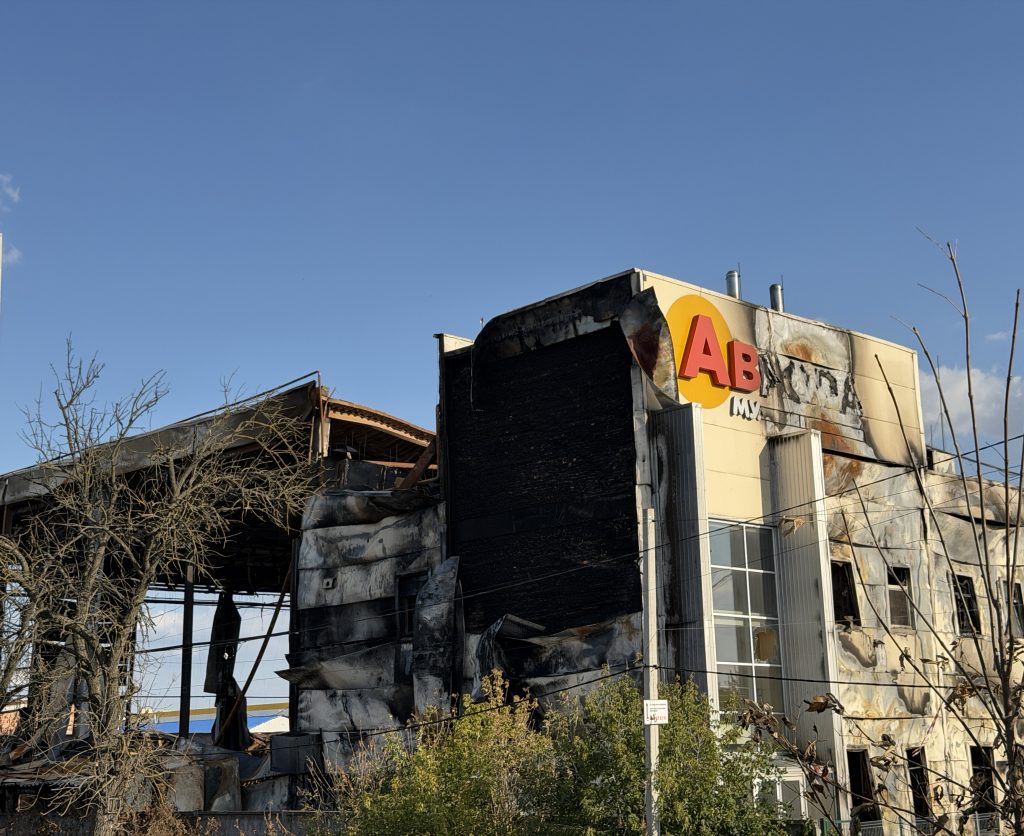
Our reality: work, sirens, hope
September was supposed to start with the excitement of a new school year, warm autumn weather, and the comforting sense that we still had time to prepare for the coming cold.
Instead, we face a reality stripped of normal sleep, basic safety for our families, and easy access to everyday essentials – without a single day free from sirens. In the face of all this, the only thing left for us to do is keep going. We keep working because our efforts help others, holding onto the hope that the bitter winters of the past will never repeat themselves.
All photos were taken by Anna Kuzmina in Kyiv during September 2026