How supervisory boards are redefining vocational education and training in Ukraine

Across Eastern Europe vocational education systems are adapting to rapidly changing economic and technological needs. In Ukraine, where recovery depends on a skilled workforce, strengthening the connection between vocational education and employers has become especially important.
UNDER UKRAINE’S LAW ‘On Vocational Education and Training’, Supervisory Boards are now mandatory for public vocational education and training (VET) schools with more than 300 students. Each board is capped at 14 members, split evenly between school founders and business representatives: a structural guarantee that employers get equal footing, not just a token voice.
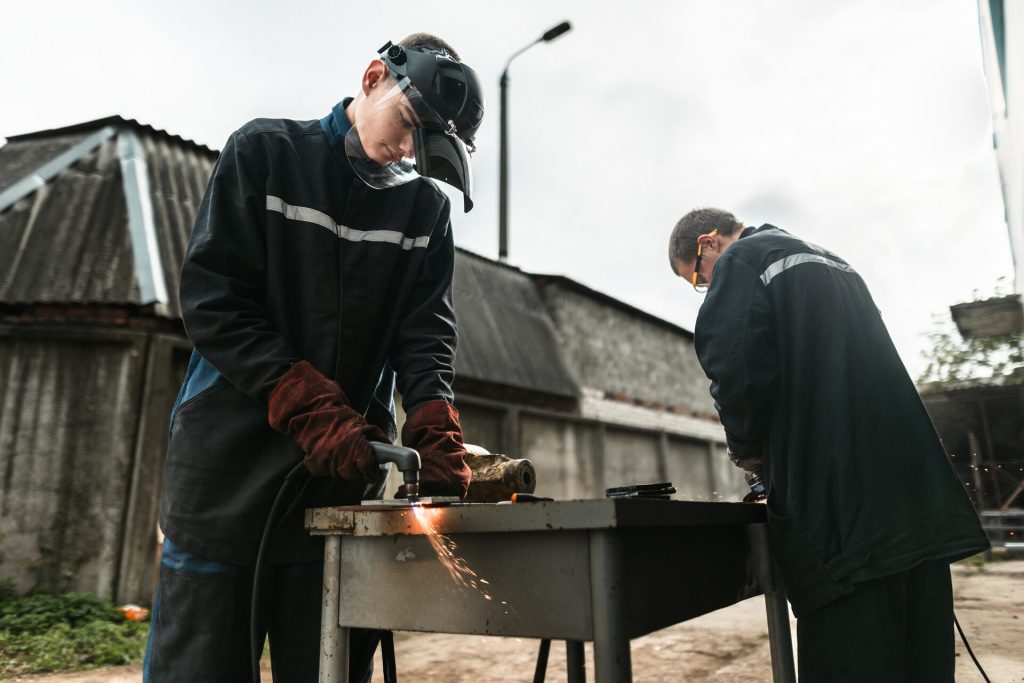
Finn Church Aid (FCA), backed by the European Bank for Reconstruction and Development (EBRD) with technical assistance funded by the Government of Japan, is working with Ukraine’s Ministry of Education and Science to establish Supervisory Boards in VET schools nationwide. The goal is to turn these boards from paper formalities into working partnerships that steer training toward what regional job markets actually need.
To turn this policy into practice, the Ministry, FCA and EBRD are currently guiding a 15-institution pilot across four key regions: Volyn, Dnipropetrovsk, Zakarpattia, and Lviv.
Where the pilot stands
Implementation is advancing across all four pilot regions, with institutions moving through different stages of Supervisory Board formation and activation:
- Volyn (4 schools): Board membership has been approved for institutions under the Regional Council, clearing the way for first meetings. Lutsk City Council schools now have their regulatory framework in place.
- Dnipropetrovsk (5 schools): Regional regulations are set; institutions are now assembling board membership.
- Zakarpattia (2 schools): The regional-authority pilot school has finished forming its board and is preparing to begin work; Uzhhorod’s process is close behind, awaiting a final regulatory decision.
- Lviv (4 schools): Formation is underway across all pilot schools. Lviv City Council has approved its framework, while regional-level approval is still in progress.
Each region is moving at its own pace, and organizers say support is being tailored accordingly. Some schools need help finishing formation paperwork, others are focused on running effective first meetings.

Why employer buy-in matters most
Ukrainian employers already engage with vocational schools through internships and work-based learning. What the Supervisory Board model adds is a formal governance channel: a seat where employers can flag shifting technology, workforce gaps and workplace realities before they become outdated curricula.
Ukraine isn’t importing a single foreign template wholesale. Instead, organizers point to two international reference points shaping the approach: Finland’s 34 sector-based Working Life Committees, which pair employers and educators to keep qualifications current, and the EU’s Centres of Vocational Excellence, which link VET providers to regional innovation hubs.
The real test comes later
Officials involved in the project caution that signing formation documents is the easy part. The harder question is what boards actually do with their authority: whether equipment purchases anticipate future industry needs, whether training keeps pace with technology, and whether graduates leave school able to find real jobs.
If that happens, organizers say, Ukraine will have turned a legal requirement into a genuine mechanism for building a workforce ready for recovery.
—