Citizens are reshaping local governance to be more fair in Warshekh, Somalia
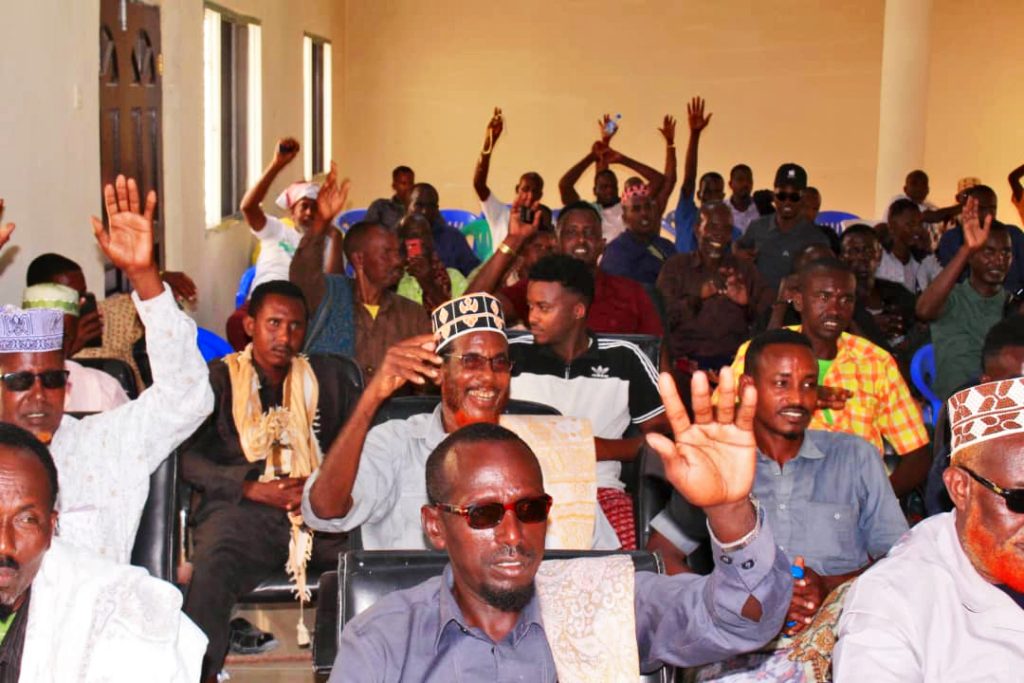
Governance reform rarely starts in council chambers. In Warsheikh it started with women, young people and ordinary residents using their voice. This time someone is listening.
Text and photos: Mohamed Eisse
FOR MANY YEARS, residents of Warsheikh District in Hirshabelle State, Somalia, had little opportunity to influence how their district was governed. Concerns about public services were usually raised through traditional elders or neighbourhood committees, and communication with local authorities was informal and inconsistent. Women and youth, despite making up a significant share of the population, had few structured ways to participate in decision-making.
That is beginning to change.
Through the Somalia Stability Fund III (SSF III) programme, implemented by Finn Church Aid (FCA) in partnership with local authorities and the Ministry of Interior and Local Government, Warsheikh is working to strengthen the relationship between citizens and government. The project builds the capacity of community oversight structures, promotes civic awareness, and creates practical channels for dialogue, helping residents take a more active role in local governance.
Building foundations for more responsive governance
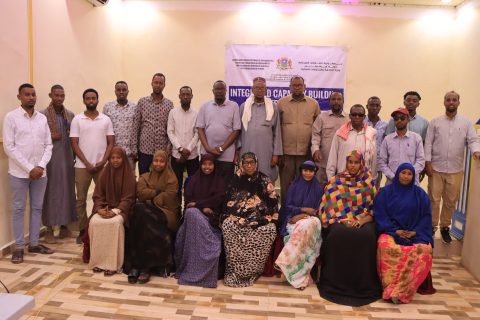
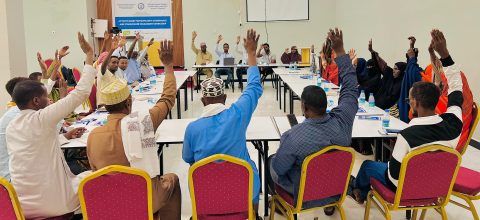
A key element of the project was the establishment of the Civil Society Oversight Committee (CSOC), a community body that acts as a bridge between citizens and the district administration. In February 2026, FCA organised a four-day training workshop for 15 participants: 11 CSOC members and four district representatives. Five of the CSOC members were women.
Participants were trained on district planning and budgeting, tracking public spending, monitoring services, ethical oversight, and how to handle community complaints. Assessments before and after the training showed significant improvements in participants’ understanding of governance and accountability.
The training was informed by a community survey (called a Citizen Accountability Perception, or CAP) conducted in Warsheikh and the nearby town of Jowhar. The survey found that many residents were unaware of formal channels for submitting complaints and had limited access to information about district revenues and services. These findings shaped the project’s priorities.
Women expanding their role in local leadership
One of the clearest results of the project has been the increased participation of women in local governance. Qali Mire Sahal, Chairperson of the Women’s Association in Warsheikh, says the project helped women strengthen both their representation and their understanding of how government works.
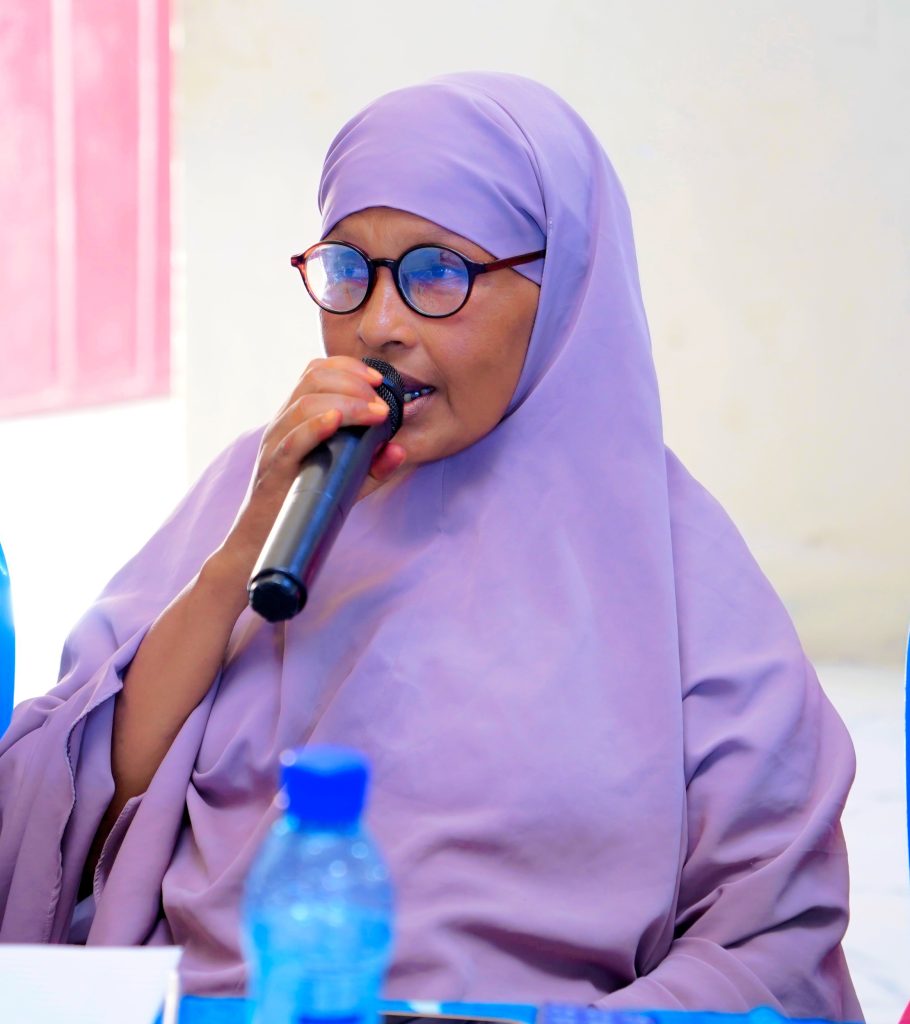
“Before the project, there were only four women in the district council,” she said. “After awareness raising and advocacy, two more women were added, fulfilling the 30 percent quota allocated to women.”
The project also provided training on management, administration, and how citizens can hold local authorities accountable.
“The most important training was on accountability,” Qali explained. “It significantly changed how women and the wider community understand how to hold the district administration accountable.”
Women who attended the training organised peer-learning sessions to share what they had learned with others in the district, helping to broaden awareness and confidence among female community leaders.
Youth taking their place in governance
The project has also created new opportunities for young people. Qasim Hussein Mohamud, Chairperson of the Youth and Sports Association in Warsheikh, says the initiative equipped youth with the knowledge and confidence to engage more actively in public affairs.
“This project made a major contribution to supporting youth, especially in building their knowledge and increasing their participation in local administration,” he said.
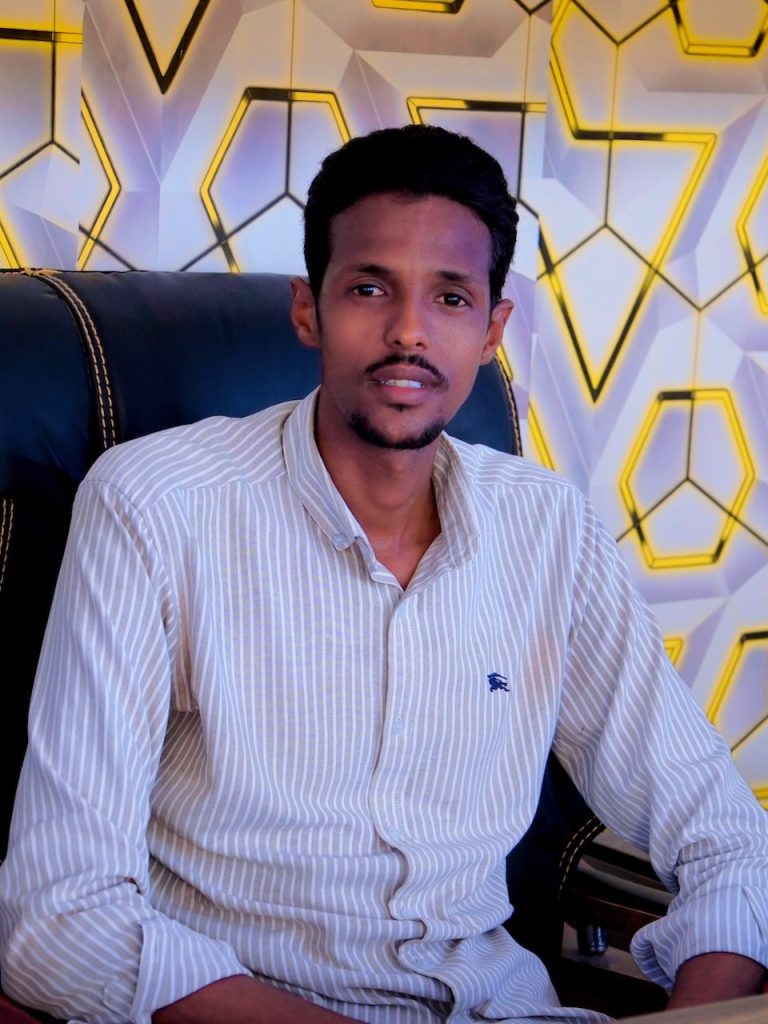
Through training on governance, accountability, and community oversight, youth representatives gained a clearer understanding of how district administration works and how communities can monitor public projects and budgets.
“We were trained on how to conduct accountability related to district projects, budgets, and governance in general,” Qasim explained.
Qasim noted that youth are already active across many areas of community life like religious institutions, sports, business and civic organisations. The project strengthened their role by including them in oversight committees alongside women and other community representatives.
“These programmes require the administration to come before the community and respond to issues related to revenues, projects, and governance,” he said.
He also noted the need for continued support, particularly office space and equipment for community committees. “We hope these efforts will not stop here,” he added.
Creating practical channels for citizens’ voice
For Abukar Abdulkadir Haji, a member of the Warsheikh District Council, the most important change has been the improvement in communication between citizens and the district administration.
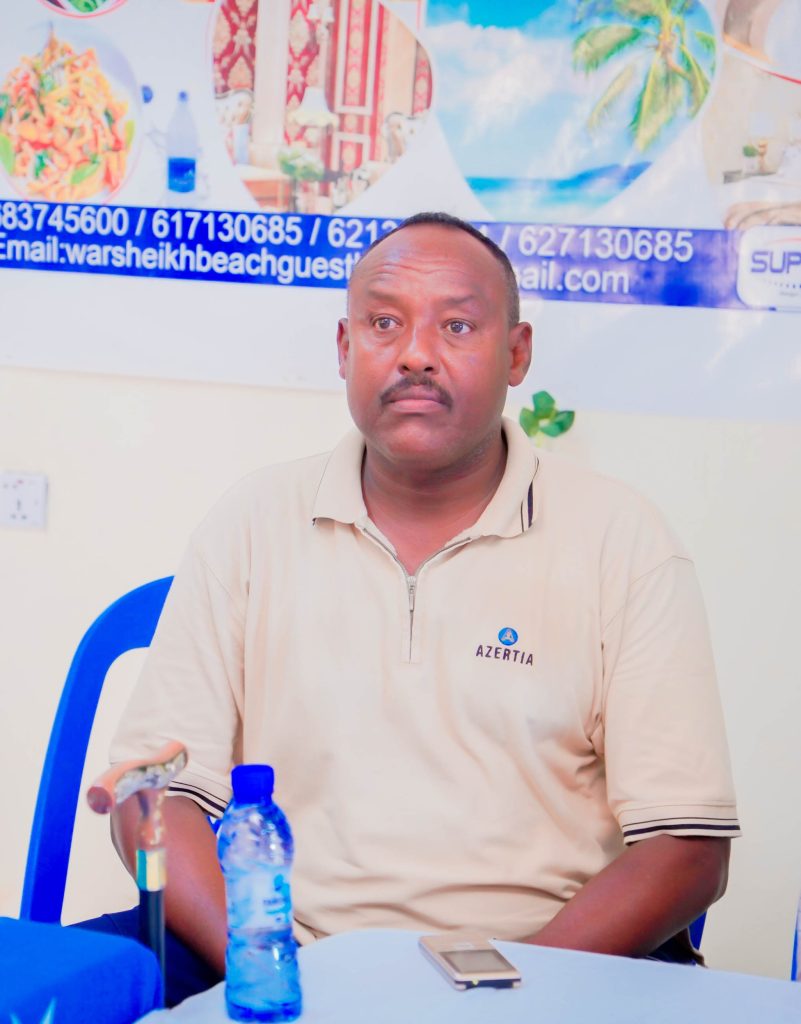
“Community awareness has improved, and the relationship between the administration and the people has changed for the better,” he said.
Before the project, grievances were typically raised through traditional elders. Today, residents have clearer and more structured ways to raise concerns through the CSOC, public meetings and accountability forums. Community members requested that government services be extended to surrounding villages, and the district administration responded by expanding its outreach.
“The administration now responds to community needs better than before,” Abukar said. “Their complaints and recommendations are reaching the authorities and are being considered.”
Joint committees bridge the gap between citizens and government
At the centre of these changes are the Civil Society Oversight Committees. Made up of respected community representatives, including women and youth, CSOCs collect citizen feedback, monitor service delivery, and engage directly with district authorities.
“The administration has become more transparent because the committee participates in consultations and represents different parts of the community,” said Qali Mire Sahal. “They collect complaints and challenges from citizens and submit them to the authorities, and many issues have been addressed.”
Abukar Abdulkadir Haji added that the committees are widely trusted because they are drawn from the community and include respected local representatives.
Challenges that remain
While the project has made important progress, several challenges remain. Community structures have gained valuable skills, but still need office space, basic equipment, and continued mentoring to carry out their roles effectively.
“These committees need offices and equipment so that accountability can function independently and transparently,” said Qasim Hussein Mohamud.
Qali Mire Sahal noted that the Women’s Association currently has no dedicated office and relies on temporary use of district administration facilities.
Ensuring that the increased participation of women and youth leads to sustained influence in decision-making will also require continued civic education and stronger institutional support. District authorities are more open to public dialogue, but systems for handling complaints and sharing information are still developing. Limited financial and technical capacity within the district administration can also slow responses to community priorities.
A stronger social contract
The most significant result of the project is the growing trust between citizens and local authorities. Women are taking on greater leadership roles. Youth are contributing more actively to governance and oversight. Community members are increasingly aware of their rights and responsibilities, and local officials are more open to dialogue and feedback.
The experience in Warsheikh shows that meaningful governance reform begins when citizens are informed, organised, and given practical opportunities to engage with public institutions. Through the SSF III programme, the foundations for a more accountable and inclusive system of local governance are now in place.
For community leaders like Qali Mire Sahal, the project’s impact is both professional and personal.
“This project changed my understanding of governance and accountability,” she said. “I encourage donors and partners to continue supporting communities like ours.”
In Warsheikh, that support is helping change citizen participation from an aspiration into a practical force for better governance and more responsive public services.