Along the road to Leiktho:
women building businesses close to home
Hard to reach and shaped by conflict, the communities around Leiktho in Kayin and Kachin states are home to women who are building businesses, sharing skills and supporting each other.
AT SEVEN IN THE MORNING, three motorcycles left Taungoo for Leiktho, carrying six people towards the mountain communities of Thandaunggyi Township.
The town of Leiktho is about 51 kilometres from Taungoo, but the journey took around two and a half hours.
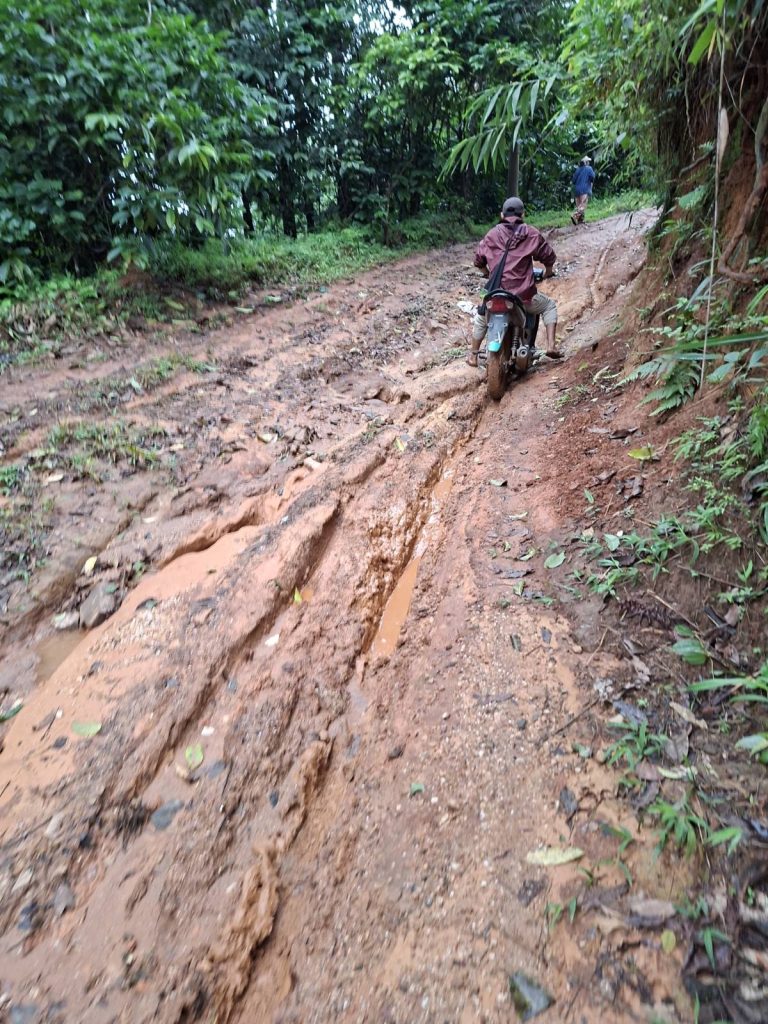
Soon after leaving, paved roads gave way to unpaved stretches. The road climbed through the mountains, with steep slopes and narrow corners. In some places, the road was thick with mud. Higher in the mountains, mist covered parts of the landscape and the air became chilly.
Security checkpoints along the way were reminders that the communities and nearby towns are affected by armed conflict.
For people living here, this road is part of everyday life. It connects villages with markets, services and the places where they buy and sell goods.
We were travelling to meet women supported through the Breaking Barriers and Building Success project, funded by Women’s Bank and implemented by Finn Church Aid in Kayin and Kachin states from 2024 to 2026.
The project supports women in different ways, from helping individual women start or expand small business, or supporting local women’s groups to develop collective livelihood activities through grants. Women also receive training in areas such as business skills, leadership, bookkeeping and beekeeping.
Our first stop was Kyaung Kone Lan Khwel village.
The aroma of coffee
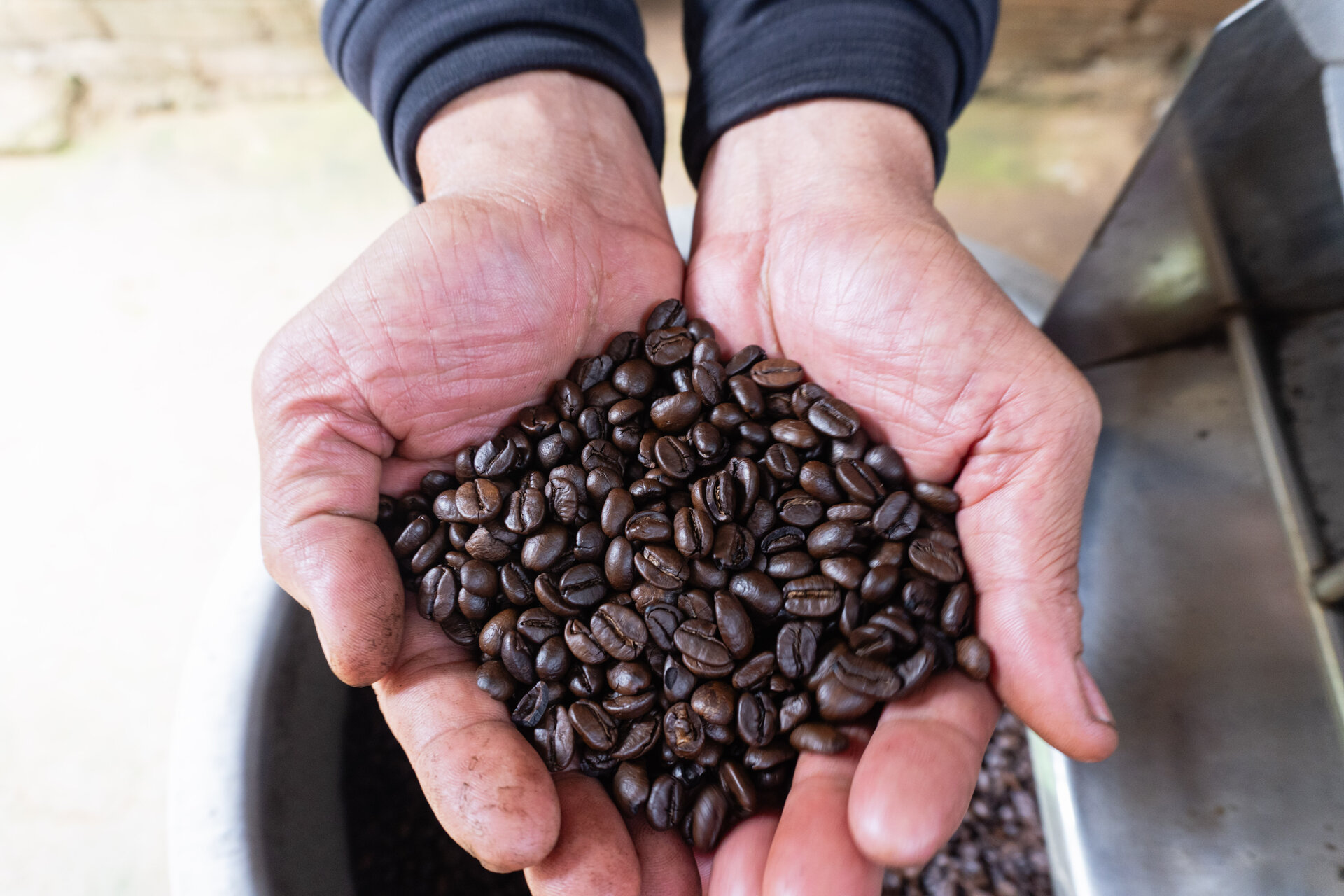
It was after 9:30 a.m. when we arrived. The morning was still cloudy and cool. The smell of freshly processed coffee reached us as we entered the compound of Naw Elizabeth Chaw, 57, known as Daw Chaw.
Chickens wandered across the unpaved ground and coffee plants grew nearby.
Daw Chaw spoke confidently as she showed us around, moving easily between the coffee plants, sacks of beans and processing machines. With years of experience in coffee, she was quick to explain how the different parts of the business worked.
Coffee has been growing in the Leiktho area for generations. But local growers have often had to sell raw green beans or travel to Taungoo and other locations for processing. This meant transportation costs and sometimes long waiting times.
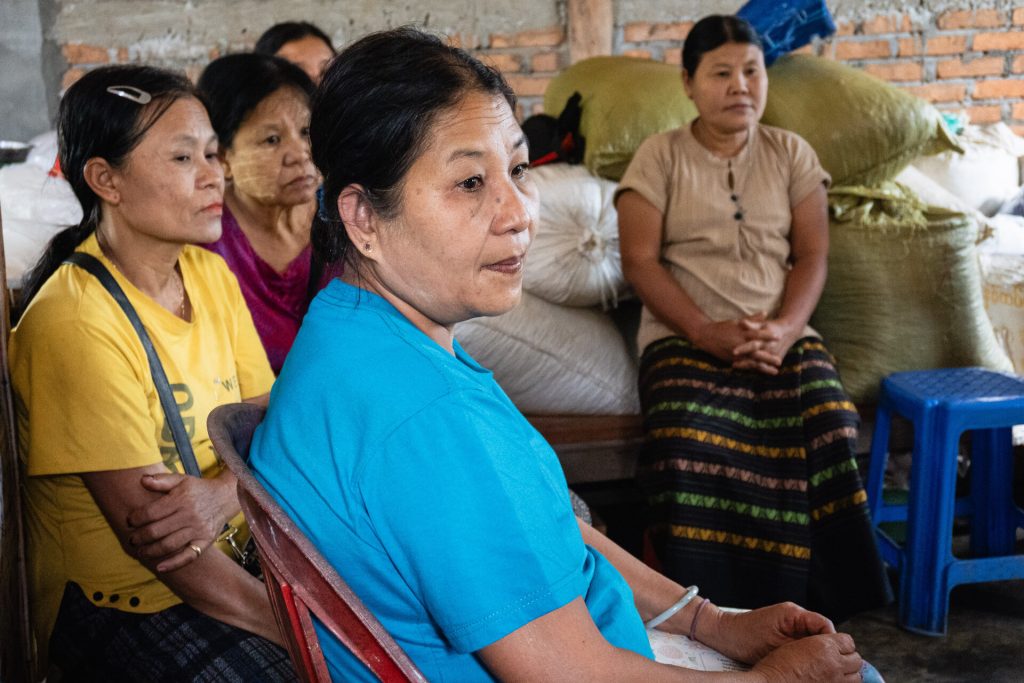
Daw Chaw leads a local Women-Led Cooperative (WLC) of five women. With support from FCA, the group received a commercial coffee roaster and learned how to operate it through technical training in Mandalay. In December 2023, they began roasting and processing coffee locally.
“Almost everyone in this region comes to our coffee machine,” Daw Chaw said. “Even people from Loikaw [a city about 159 kilometres away] come to us.”
Instead of travelling to Taungoo to roast and grind their coffee, growers from the surrounding area can now bring their beans here.
The women also produce their own coffee under the name Sorelle. They sell coffee wholesale and retail and put earnings back into the business and community activities. The processing work also provides paid work for local people who help sort, clean and package coffee.
Daw Chaw said more people are coming to use the coffee-processing service each year. The group is now working towards Food and Drug Administration licensing and hopes to reach wider markets in the future.
For Daw Chaw, earning an income matters for women in the community.
“I always encourage women to earn themselves, to be independent, especially financially,” she said. “Not only can we support our families, but we can also spend for ourselves.”
From Kyaung Kone Lan Khwel, we continued towards Upper Mong Lun village.
A grocery shop in Upper Mong Lun
The road became narrower and muddier. It was getting close to noon, but the sun had still not appeared.
As we entered the village, another sound replaced the hum of the motorcycles. From somewhere among the trees came a small, high-pitched call. It was difficult to tell whether it came from insects or birds. It would rise and fade and then return.
At the entrance to the village, a wooden house built into the mountain slope was home and grocery shop of Naw Khin San Lwin, 35.
The softly-spoken woman sat with us and explained how she manages the small shop alongside farming, household work and caring for her children.
There was no electric light, but daylight came through the large opening at the front. Some of the shelves were low in stock. Naw Khin San Lwin had not yet made her next trip to restock the shop.
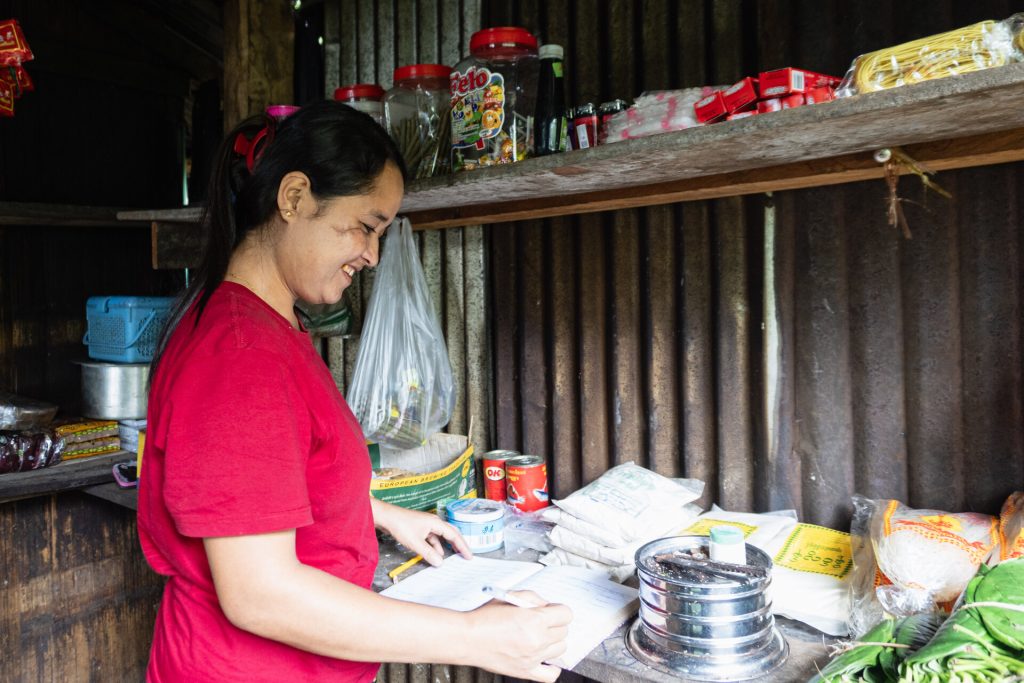
She lives with her husband and four-year-old daughter, while her two sons stay in Leiktho to attend school. Her family also works in farming, including coffee and other seasonal crops such as cardamom, djenkol beans and turmeric.
With an individual grant of MMK 1.2 million (just under 500 euros) from FCA, she opened her grocery shop. She says the income helps cover school expenses and gives the family some money for unexpected medical needs.
Naw Khin San Lwin is also the treasurer of local women’s empowerment group. Her group was one of seven women’s groups that received MMK 5 million (around 2000 euros) for collective livelihood activities under the project. Upper Mong Lun chose beekeeping. The business did not work as planned. Bees did not settle in the boxes, and some boxes placed outside during pollination were stolen. Most of the remaining boxes were later brought back and stored.
The experience was different in another village. The Thit Khwa Taung group also received support for beekeeping and has been able to produce honey for the market.
The different results show a simple reality of small businesses: the same idea does not always work in the same way in every place.
For Naw Khin San Lwin, the grocery shop became another way to earn.
Shoes, umbrellas and raincoats attract more customers
Our third stop was Thit Khwa Taung.
The roads in Thit Khwa Taung were mostly paved. Dogs rested along the street. Some barked as unfamiliar visitors entered the village.
The village sounded busier. Voices from neighbouring houses could be heard around us, mixed with the occasional sound of a motorcycle passing.
Beside the road was another grocery shop, run by Nyay Mal Cho Cho Lwin, 32.
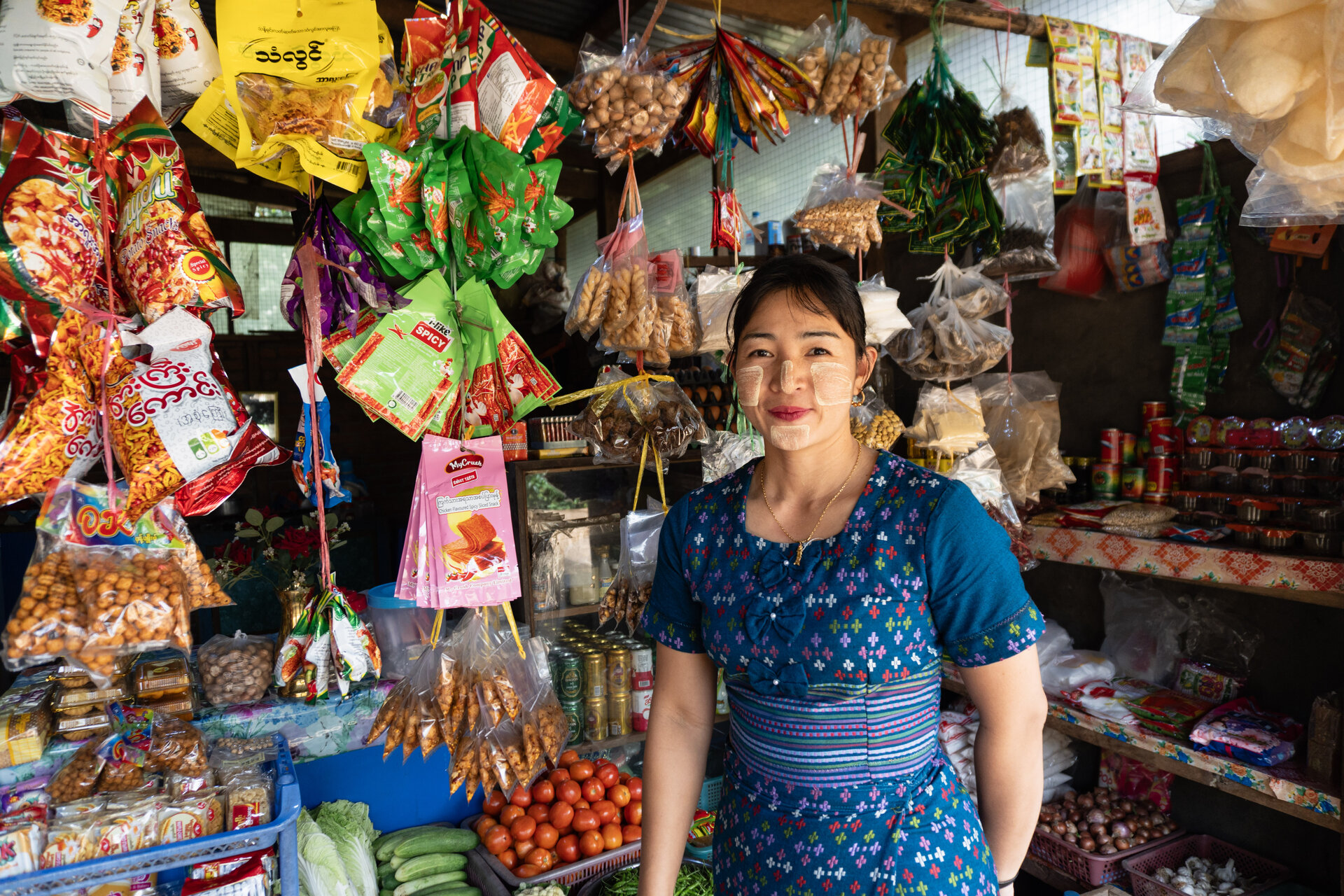
She greeted us warmly and spoke with energy about her shop, the women’s group and the other women in her village.
Her shop started small, selling basic household groceries, but she wanted to offer more.
After receiving an individual grant of MMK 1.2 million (around 495 euros) from FCA, she added more products, including shoes, umbrellas and raincoats.
She said having more goods has brought more customers. It also means people in the village can buy some items nearby instead of travelling to Leiktho or Taungoo.
Nyay Mal Cho Cho Lwin also chairs the Thit Khwa Taung WLC group. Alongside its beekeeping activity, the group works together to trade seasonal products such as cardamom, coffee, djenkol beans and turmeric.
The women’s group also provides financial assistance to some elderly and vulnerable people and contributes to community, social and religious activities. There are still areas where the group wants to improve. For example, only two members are currently able to manage the bookkeeping process.
Nyay Mal Cho Cho Lwin said some women in the village hesitate to attend training because they feel shy or worry about having little formal education.
“I tell them it is good to learn because you don’t know,” she said. “How can someone come and teach you if you already know everything?”
She encourages other women to attend training, ask questions and share their own ideas.
The road back to Taungoo
By the time we left the villages, the rain that had held off all morning finally arrived.
Behind us were the smell of coffee in Kyaung Kone Lan Khwel, the sounds from the trees in Upper Mong Lun, and the barking dogs, and conversations along the streets of Thit Khwa Taung.
The women we met run different businesses, and their experiences are different too. Some started or expanded their own businesses with individual grants. Others are working together with local empowered women groups and cooperatives. Some collective businesses are doing well, while others have not worked as expected.
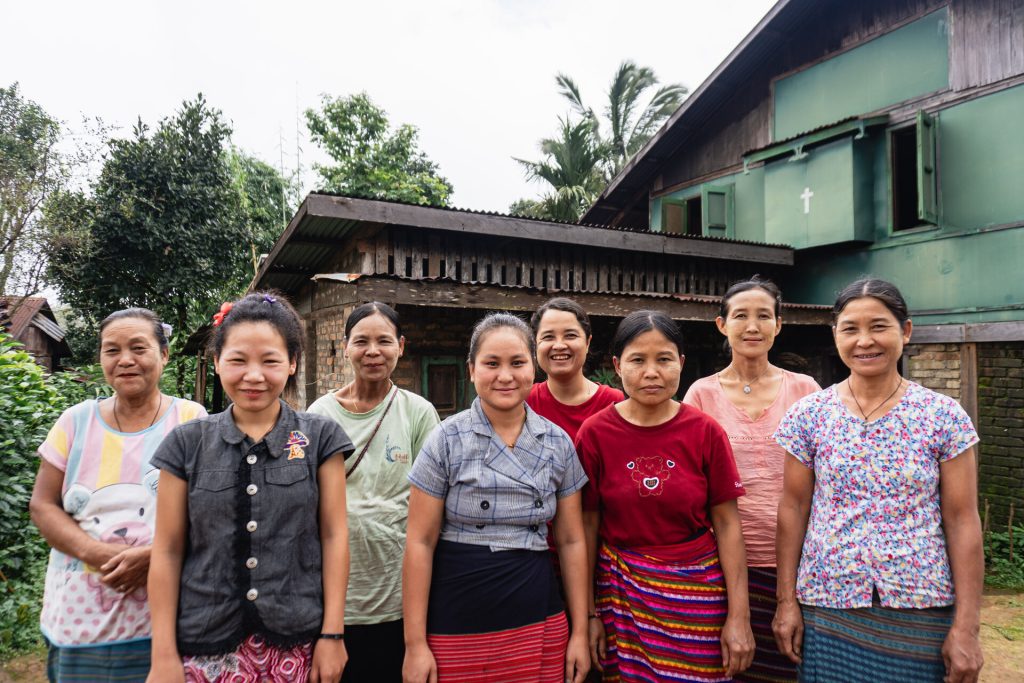
The road also remains part of the story. Coffee needs to reach buyers. Grocery shops need supplies. Seasonal crops need markets. Rain, transport and security can make those everyday tasks more difficult.
For the women along the road to Leiktho, running a business can mean roasting coffee grown close to home, adding a few more products to a village shop, trying a new business idea, or getting onto a motorcycle to bring back the supplies needed to keep going.
And sometimes it is a woman getting onto a motorcycle to travel the mountain road herself, bringing back what she needs to keep her business going.
—
You may also be interested in: