Ethiopia
Ethiopia is the second most populous nation in Africa after Nigeria, and one of the fastest-growing economies in the region. While the country continues to demonstrate significant development potential, many communities face challenges arising from conflict, displacement, climate-related shocks, and economic pressures. Ethiopia hosts more than 1.1 million refugees and asylum seekers from neighboring countries.
FCA Ethiopia, established in 2024, works to build a more peaceful, inclusive, and resilient society by advancing quality education, sustainable livelihoods, and peacebuilding. We support vulnerable communities, refugees, and displaced populations through locally led and sustainable solutions implemented in partnership with government institutions, civil society organizations, faith-based actors, and international partners.
Population: 132 million
Capital: Addis Ababa
Currency: Ethiopian birr
Languages: Amharic (federal working language), Oromo, Somali, Tigrinya, Sidamo, Wolaytta, Gurage, Afar and many others; Ethiopia has more than 100 languages.
FCA in Ethiopia: since 2024. FCA has its main office in Addis Ababa, supported with field hubs and satellite offices.
FCA delivers programmes that strengthen resilience and create opportunities for people affected by crisis and exclusion with the inclusion of persons with disabilities a key priority across programme implementation.
Through strong partnerships and community engagement, FCA Ethiopia contributes to improved educational opportunities, enhanced youth employment prospects, expanded pathways for refugees, and strengthened local peacebuilding mechanisms.
Our results in 2025:

31,600
people supported across education, livelihoods, and refugee support initiatives.

46 %
of participants in our programmes are women.
Right to Quality Education
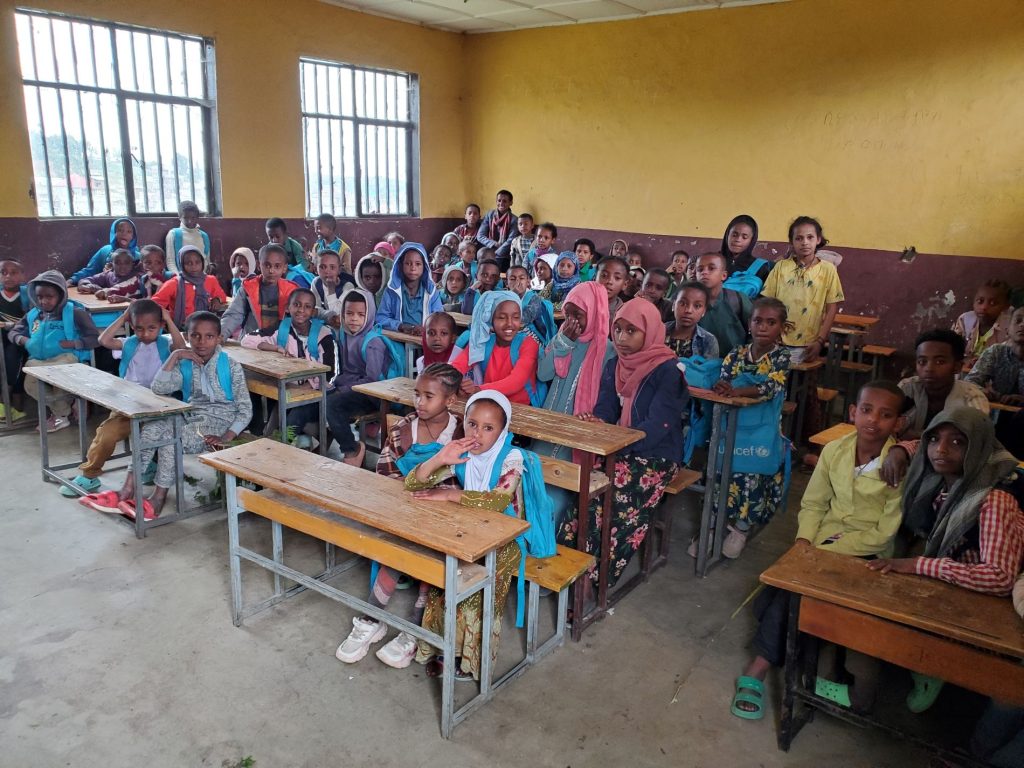
Education is a core pillar of FCA Ethiopia’s work, with a particular focus on teachers, one of the six priority pillars of the African Union’s Continental Education Strategy for Africa (CESA). Its interventions aim to improve teacher capacity and professional development, enhance the quality of teaching and learning, and increase access to education for vulnerable children and refugee populations. They also support inclusive and equitable learning opportunities and contribute to long-term education system strengthening and resilience. By investing in teachers and education systems, FCA helps children and young people develop the knowledge and skills they need to thrive and contribute to their communities.
Right to Livelihood
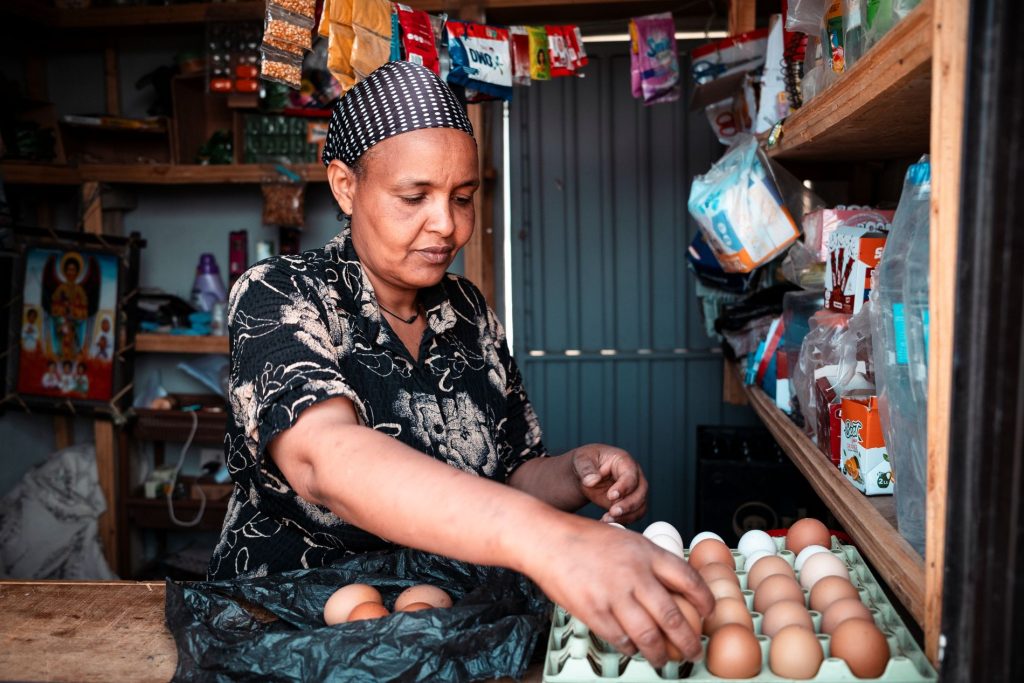
Ethiopia’s growing digital and creative sectors offer significant opportunities for youth employment and entrepreneurship. Through initiatives such as the CREATE Project under Digital and Creative Economy (DICE), FCA Ethiopia helps young women and men, including refugees and youth with disabilities, gain employable skills, access decent work, and create sustainable livelihoods.
In partnership with UNHCR, FCA Ethiopia also supports refugees and displaced populations through complementary pathways and labour mobility, including education pathways, labour mobility initiatives, and qualification-based resettlement programmes. These create opportunities for education, employment, self-reliance, and long-term solutions.
Right to Peace
FCA Ethiopia promotes sustainable peace and social cohesion in conflict-affected communities by strengthening community-based conflict prevention and resolution mechanisms and supporting dialogue, mediation, and reconciliation initiatives. It builds the capacity of local peacebuilders, faith leaders, and community change agents, and addresses root causes of conflict such as ethnic tensions, resource competition, and climate-related pressures. It also encourages the inclusive participation of women, youth, and marginalized groups in peacebuilding processes.
This work is implemented in partnership with the Ethiopian Interfaith Forum for Development, Dialogue and Action (EIFDDA) and supported by the Network for Religious and Traditional Peacemakers (NRTP) with funding from the Ministry for Foreign Affairs of Finland. It promotes social cohesion and sustainable peace in conflict-affected communities, particularly in Gambella Region.
Our Key Partners
FCA Ethiopia collaborates with a wide range of partners, including UNHCR, the European Union, the Embassy of Finland, Refugees and Returnees Service (RRS), Ethiopian Interfaith Forum for Development, Dialogue and Action (EIFDDA), Education for Sustainable Development (ESD), Teferi Mekonen Politechnice College (TMPC), Government institutions, and local civil society organizations. These partnerships enable FCA to deliver impactful and sustainable programmes across Ethiopia.