In Rakhine State, six women turned
farming into financial independence
In Ponnagyun Township, Myanmar, Daw Oo Hla Nu once had no income of her own. Today, she’s the accountant for a six-woman farming cooperative and has a key voice in her family’s decisions.
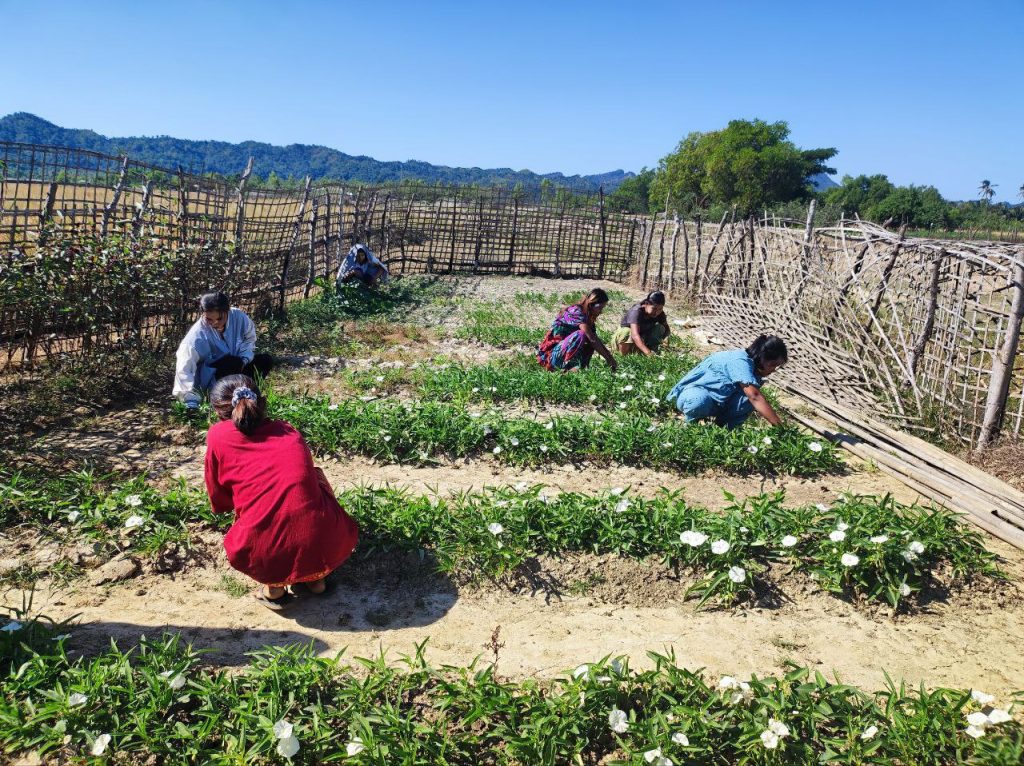
DAW OO HLA NU SPENDS HER DAYS working in the farm with five other women from her village. Together, they plant, tend, harvest, and sell crops such as eggplants, okra, chillies, and other seasonal vegetables at the local market. Many families depend on farming and small-scale agriculture for their livelihoods.
Hpa Yar Gyi village is located in Ponnagyun Township in Rakhine State, western Myanmar. The area is largely rural, with wide paddy fields, tidal waterways, and villages connected by dirt roads and river routes.
Life in the area has affected by conflict and displacement, which disrupts travel, access to markets, and daily economic activities.
Household chores, then a household income
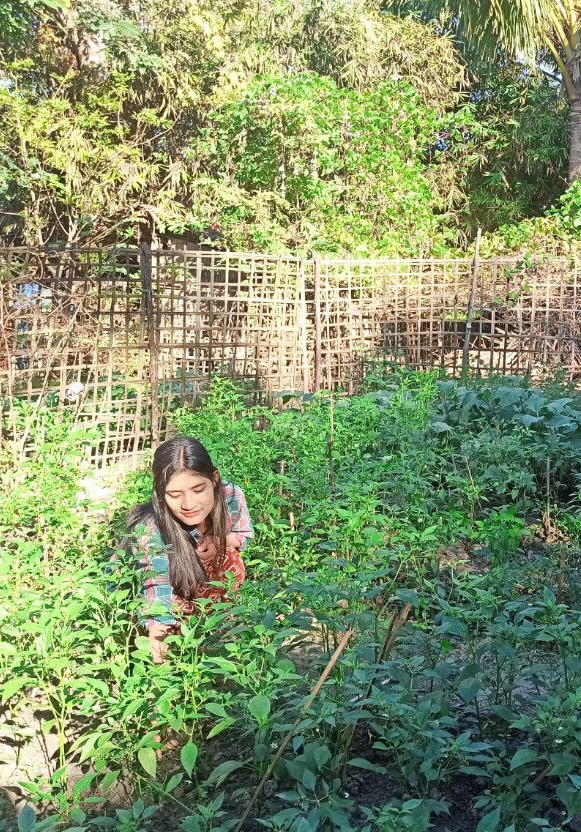
Like many women in rural communities across Rakhine State, Daw Oo Hla Nu, 35, had few opportunities to develop business skills or access the financial support needed to raise an income.
A few years ago, she spent most of her time on household chores, caring for her three children and her mother. Her husband works abroad and supports the family financially. Without an income of her own, Daw Oo Hla Nu, had limited opportunities to contribute to household expenses, including her children’s education, or to take part in decisions about family spending.
In 2024, that changed when she joined FCA Myanmar’s ‘Linking Learning to Earning’ project. The project worked with women in Ponnagyun Township to strengthen livelihoods through skills training and small grants. Through the project, Daw Oo Hla Nu attended training on agriculture, business management, leadership, and financial literacy. The sessions combined practical farming techniques with skills needed to plan, manage, and grow a small business.
From learning to earning
After completing the training, Daw Oo Hla Nu joined five other women from the training to form the Sein Hlan Gone Soung agricultural group, a small farming cooperative that grows crops, manages sales, and makes business decisions together.
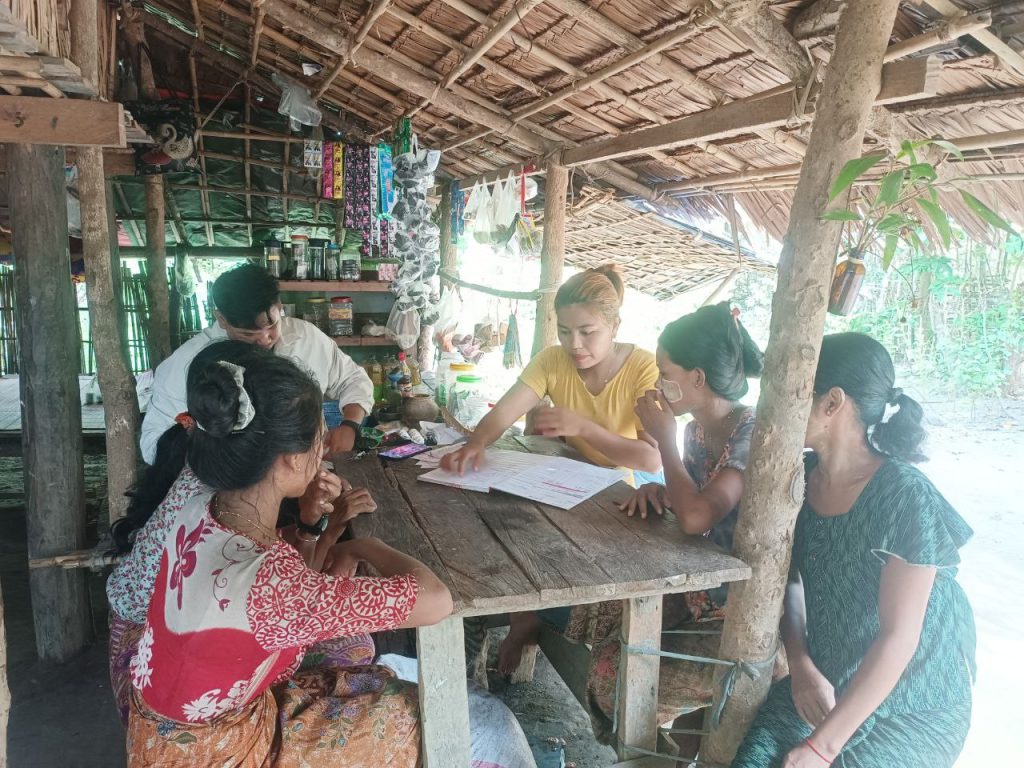
The six women received a grant of 3,125,000 MMK (about 1,290 euros) to start a small farming business. Together, they decided to grow taro and chili, crops that are commonly cultivated and sold in Ponnagyun.
Starting the business was not without challenges. The group had to plan their activities, manage their finances, and learn how to work together as business partners. Climate change has caused some delays in the planting season and that has affected decisions about which crops to grow.
The first profit and a chance to reinvest
Over the first six months, the group generated 300,000 MMK (about 124 euros) in gross sales from selling their crops. In a region affected by conflict and limited economic opportunities, cash is scarce. For these women, earning a profit was a major achievement and the result of months of hard work.
Even though they needed the money for everyday expenses, they decided to save it to buy more seeds. By reinvesting their earnings, they chose to build a more secure future for themselves and their families
Today, the group continues to earn a stable income from farming and is preparing for the next planting season.
New income and a new confidence
For Daw Oo Hla Nu, the change was not only about growing crops. It was also about having an income of her own.
She now contributes to her family’s income and helps support her children’s education. She also acts as an accountant in the group, managing the financial records and helping plan future farming activities.
“Before the project, I had no income and spent my time on household chores,” she said. “Now, I can manage my own business and support my family. I am proud of what we have achieved and confident in our ability to grow further,” she says.
Daw Oo Hla Nu’s experience reflects a wider effort to support women’s livelihoods in Ponnagyun Township. Through the project, FCA Myanmar supported 100 women across 19 women-led groups with training, small grants, and technical guidance to develop businesses based on local opportunities.
As the project comes to an end, the women of Sein Hlan Gone Soung are preparing for the next planting season. They plan to expand cultivation and continue building the business they started together.
For Daw Oo Hla Nu, the next season will bring new work and new decisions. This time, she approaches them with new skills, an income of her own, and greater confidence in helping to plan for her family’s future.