Disability inclusion key to
FCA work in Middle East region
Displacement, conflict, and economic collapse have driven disability rates across Syria and the Occupied Palestinian Territories to among the highest in the world. Finn Church Aid is working to ensure that persons with disabilities aren’t left behind in the region’s humanitarian response.
MORE THAN ONE IN FOUR people in Syria – 28 per cent of the population aged two and above – lives with some form of disability, nearly double the global average, according to the UNDP.
In the West Bank and Gaza, the number of people living with disabilities has risen sharply since the war in Gaza began in October 2023. Across the region, persons with disabilities are among the most excluded from humanitarian response. They face physical, social, and institutional barriers that deepen with every new wave of crisis.
FCA’s work on disability inclusion
Finn Church Aid (FCA) is one of the leading organizations delivering disability-inclusive programming in Syria. We also work in the Occupied Palestinian Territories, where our support focuses on schoolchildren who need extra help to attend class because of a disability. Both programmes are shaped by the same rights-based principles.
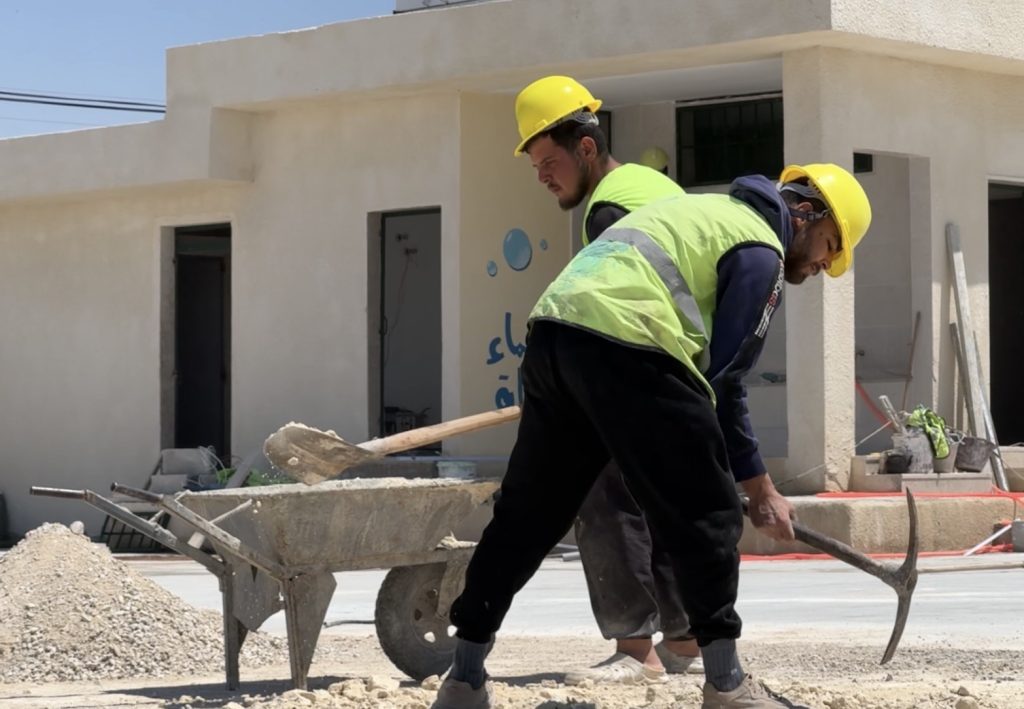
In 2025 and so far in 2026, FCA supported 1,165 people with disabilities in Syria, almost a third of them women. That support is wide-ranging. It includes providing assistive devices, making school buildings more accessible, and awarding grants for income generation, business development, and employment.
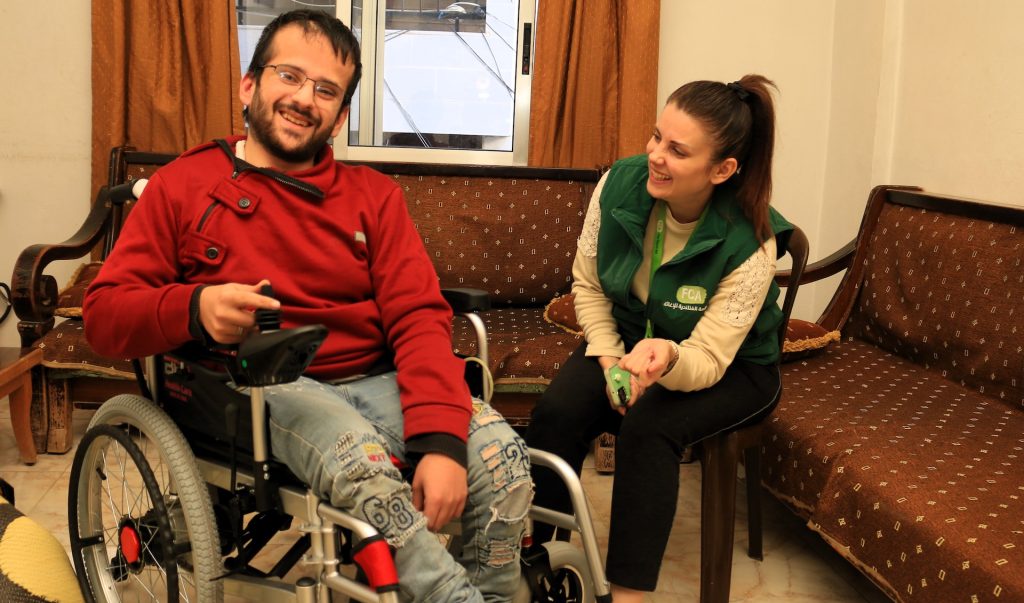
Young people with disabilities benefit in particular from our employment support. Last year, FCA helped organize an inclusive job fair that brought together employers and jobseekers with disabilities. The fair offered 127 concrete job openings and 474 training places leading to employment, alongside sessions on workplace inclusion, CV writing, interview skills, and legal frameworks for accessible workplaces.
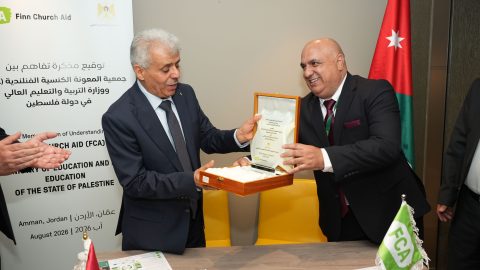
In the Occupied Palestinian Territories over the same period, FCA supported 148 persons with disabilities as programme beneficiaries, 61 of them women. This work centres on education. It includes assistive devices for students with disabilities, school rehabilitation, and training and support for teachers and partner organizations on inclusive education.
This is a region where conflict and stress factors are high, due to the long-term impacts of conflict and displacement, which have significant increased barriers for persons with disabilities and other vulnerable groups. Therefore, we also provide support sessions for students, promoting well-being and resilience.
Finnish support is crucial
Finland has a long history of supporting people with disabilities in the region. Between 2018 and 2024, the Finnish government has provided more than Euro 10 million to support disability inclusion in Syria. Meanwhile FCA IOPT is currently closing a full project on inclusive education with support from the Finnish Ministry of Foreign Affairs.
The Government of Finland continues to support FCA Syria through UN agencies. For example, FCA Syria leads a UNDP-funded project targeted 14 locations in Syria, with Finland acting as the back donor, which supports people with disabilities with sustainable livelihoods. Given the scale of needs in Syria, particularly for persons with disabilities, this remains highly relevant.
Regional training grounded in rights
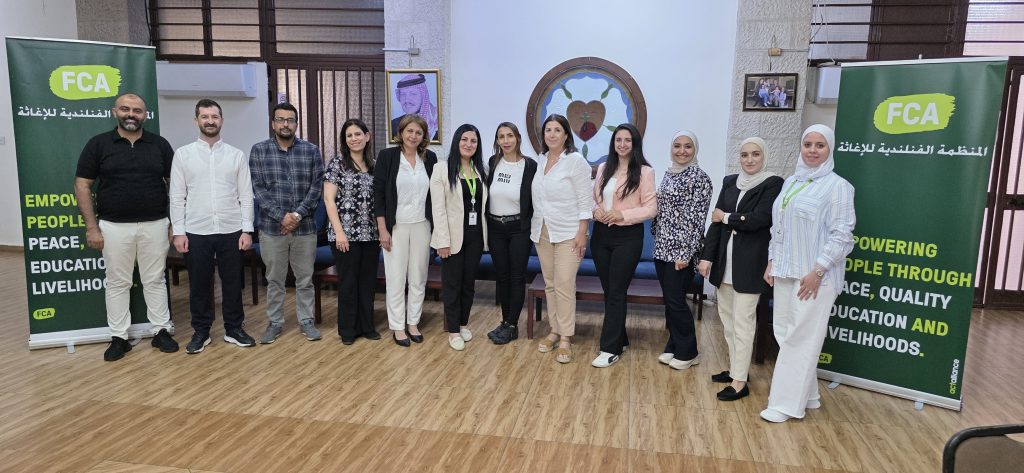
It is against this backdrop that FCA together with ACT Alliance, recently brought together humanitarian and development practitioners from across the Middle East for a three-day regional training on disability inclusion in Amman, Jordan. The training is part of FCA’s long-running commitment to ensuring persons with disabilities are not left behind in its work in Syria and the Occupied Palestinian Territories.
Participants came from ACT Alliance member organizations working in Palestine, Jordan, Iraq, Egypt, and Syria. Dr. Boushra Owejan, Disability Inclusion Specialist at FCA Syria, led the training, which was designed to strengthen participants’ ability to design and deliver inclusive, rights-based programmes that ensure the meaningful participation of persons with disabilities.
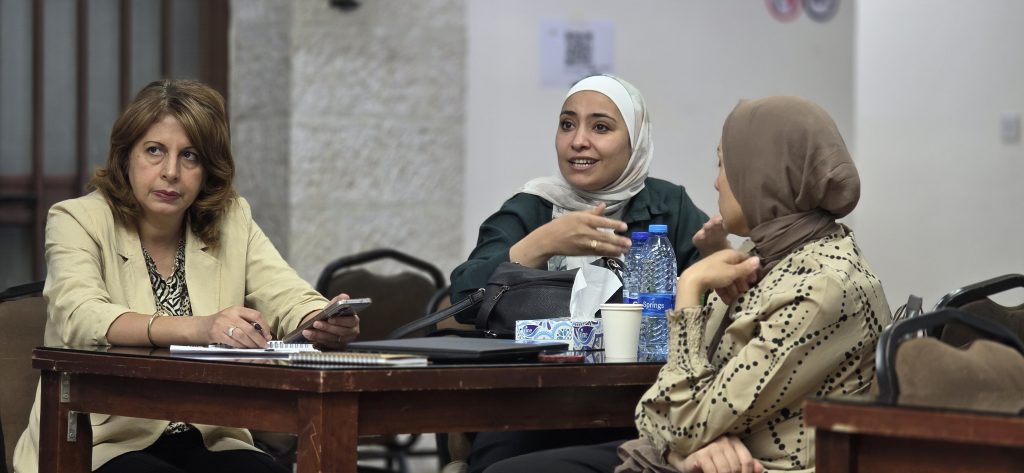
Marleen Mahrous, Disability Program Manager at the Coptic Evangelical Organization for Social Services (Egypt) expressed her satisfaction the training:
“The topic is extremely important, and it was valuable to work hands-on and test our learning through project design. While we had prior knowledge, this training helped us understand the subject in a more structured and academic way.”
Diler Abdulsalam Mohammed, Programme Manager and Disability Focal Point at the Lutheran World Federation (Iraq), noted that importance of the training:
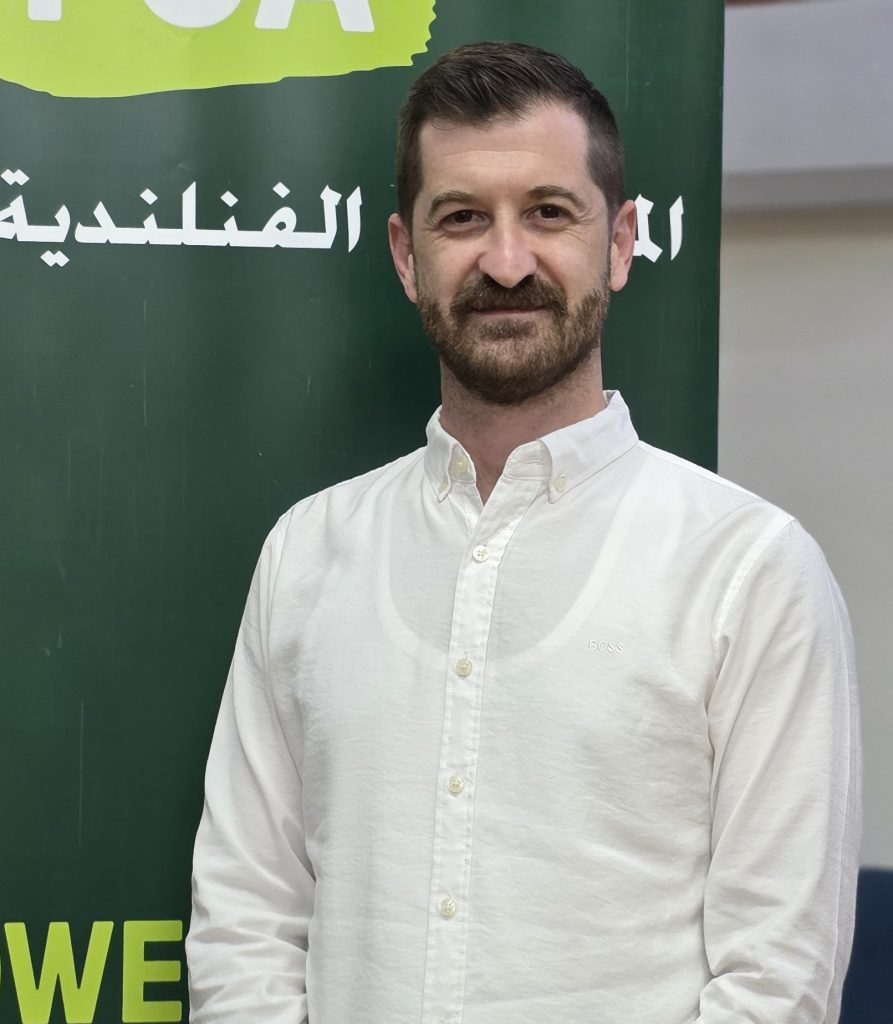
“We benefited greatly from strengthening our understanding of inclusion strategies and enhancing our ability to design inclusive projects to achieve better outcomes.”
Over three days, the training combined technical content with hands-on practice. Topics included core disability concepts and terminology, the barriers that exclude persons with disabilities from services and society, a human rights-based approach to programming, and practical tools for embedding disability inclusion throughout the project cycle, covering needs assessment, design, implementation, monitoring, and evaluation.
Participants worked in groups to design inclusive project concepts and share good practice from their own country contexts.
Reinforcing a rights-based approach
Discussions throughout the training returned repeatedly to the definition of disability set out in the UN Convention on the Rights of Persons with Disabilities (CRPD), the importance of dignity-respecting language, and the principle that inclusion means full and effective participation in all aspects of life, not simply access to services.
Participants examined the barriers that exclude persons with disabilities: environmental barriers, attitudinal barriers, institutional barriers, and communication barriers. They also looked at how thinking on disability has changed over time. Approaches have moved to a human rights-based approach, which treats disability inclusion as a matter of rights rather than welfare.
A central tool discussed was the Washington Group Questions. This is a set of standardized survey questions developed by the Washington Group on Disability Statistics, a body established under the UN Statistical Commission. The questions do not ask directly whether someone has a disability. Instead, they ask about a person’s degree of difficulty performing basic functions such as seeing, hearing, walking, or communicating.
This makes it possible to identify functional limitations consistently and compare disability data across projects, countries, and contexts, without relying on self-identification or diagnosis alone. For humanitarian and development actors, this offers a practical, non-stigmatizing way to make sure persons with disabilities are actually counted, and therefore reached, by programming.
A regional commitment
Mazen Khzouz, FCA’s Middle East Director, frames this work as part of a longer-term regional commitment.
“As a member of ACT Alliance, FCA is committed to advancing inclusive, rights-based humanitarian action that leaves no one behind. Strengthening disability inclusion across our regional partnerships is a key priority, as it contributes to more equitable, effective, and sustainable programmes. Through these initiatives, we are not only building technical capacity but also fostering a shared vision of dignity, participation, and equal opportunity for persons with disabilities across the region.”
Conflict, displacement, and economic crisis continue to drive up disability prevalence across Syria and the Occupied Palestinian Territories. That means FCA’s commitment is likely to be tested for years to come.
Through training like the one in Amman, and through the day-to-day work of FCA Syria and FCA IOPT in classrooms, workplaces, and job fairs, FCA and its partners are working to ensure that persons with disabilities are participants in the region’s recovery, not an afterthought to it.
—
Text: Bayan Shawwak, Communication and Advocacy Officer (Syria and OPT)
Sources: Human Rights Watch, UN OCHA, OHCHR, UNDP, Global Disability Fund, the Washington Group on Disability Statistics.
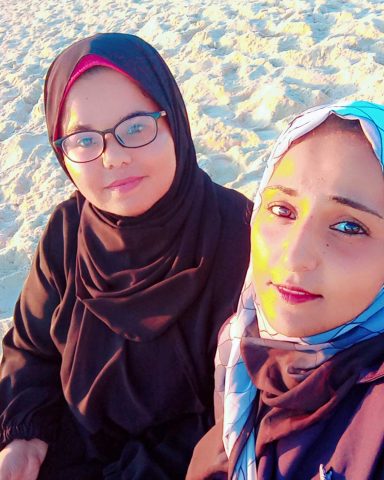
Main photo: A schoolgirl in Al-Safira city, rural Aleppo. She received an assistive device from FCA to support access to education and daily activities. Photo credit: Yolla Addas/FCA