Women and youth take a larger role in local decision-making in Jowhar
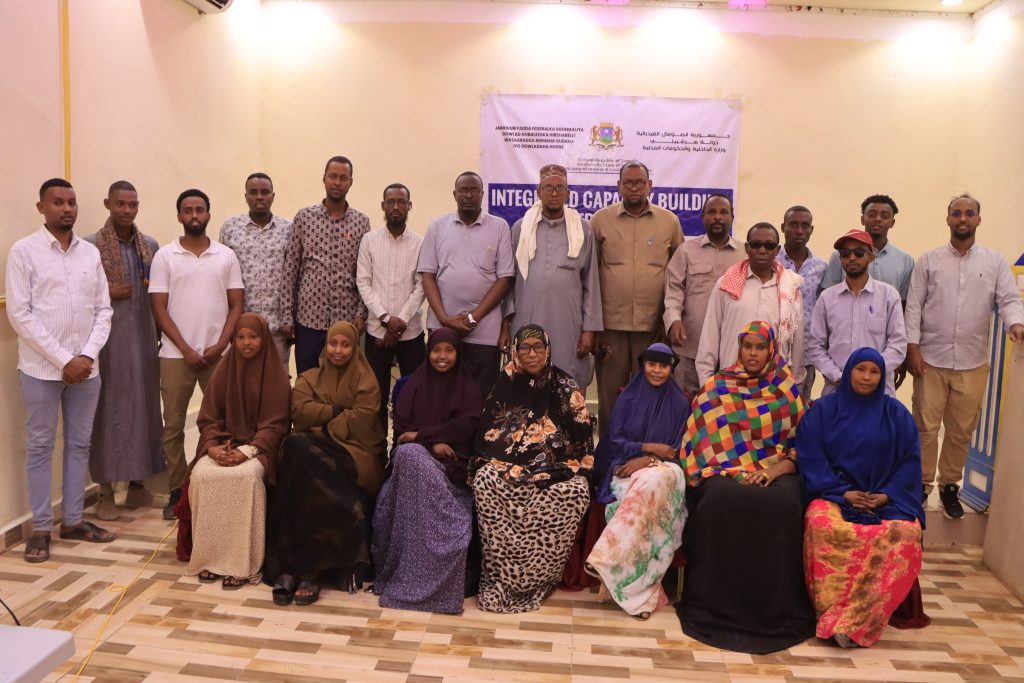
In Jowhar District in Somalia, women councilors and youth leaders are taking a more active role in how local government works.
DISCUSSIONS ABOUT revenue collection and service delivery are the mundane day to day of local government work. Yet, they have also become a stage for women and youth to influence their communities, as well as increasing trust in government by citizens.
Supported by work linked to FCA’s SSF III–funded Democratization, Local Governance, and Accountability project in Hirshabelle State, these discussions now involve a wider range of voices and exchanges between citizens and district officials are more open than before. Local authorities also report positive changes in how they respond to public questions and concerns.
Shifts in participation and public oversight
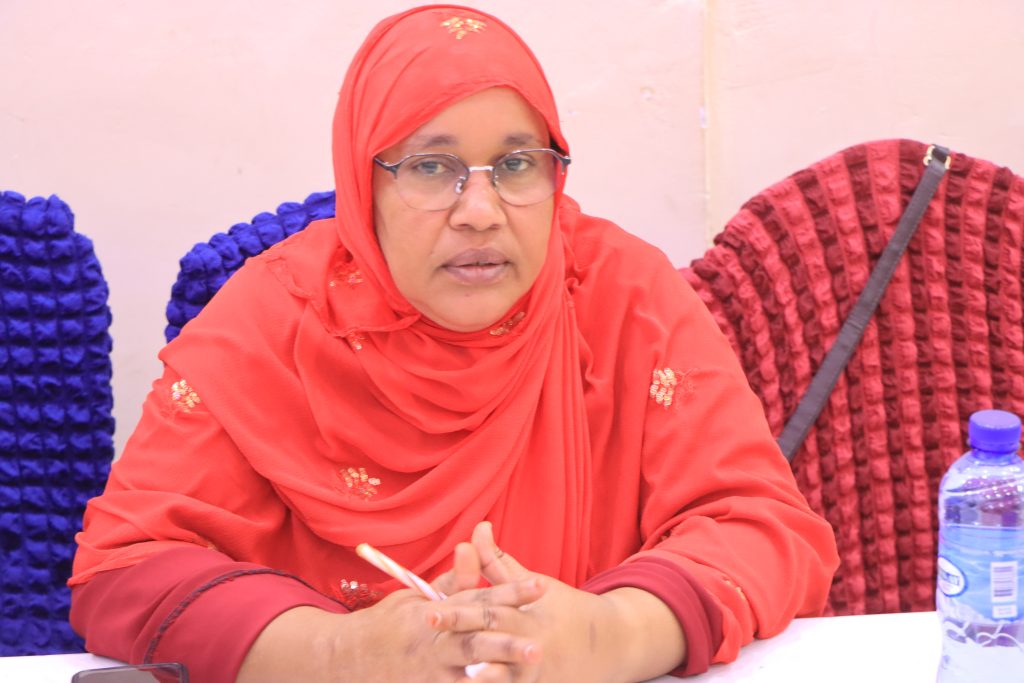
Women councilors say their role in district governance has changed in noticeable ways. From having limited involvement, women members of the District Council are now taking part in discussions, oversight and decisions related to district affairs. They report increased clarity about their responsibilities and greater confidence in engaging with colleagues and constituents.
Faadumo Faarax Jimcaale, a women councilor in Jowhar District, said: “Before, we did not clearly understand our responsibilities. Through this process, we gained the knowledge and confidence to serve our community and to be held accountable as public representatives.”
Women’s participation in governance challenges entrenched cultural norms that previously excluded them from political decision-making.
Youth are more involved
Young people have also become more involved in local governance. Youth leaders now take part in discussions about how public revenue is collected and used, and how services are delivered. This marks a shift from earlier patterns in which young people had little direct engagement with district authorities.
“Youth now understand how public revenue is collected, where it goes, and how it should benefit the community. This understanding has increased trust and opened opportunities for meaningful participation,” said Fartuun Aadan Xeefow, Head of Youth in Middle Shabelle.
Youth engagement has reduced disengagement and frustration by creating pathways for constructive involvement and employment within local governance structures.
Accountability is key in this change. According to local authorities, issues that were once handled internally are now discussed more openly with communities, particularly around revenue and service delivery.
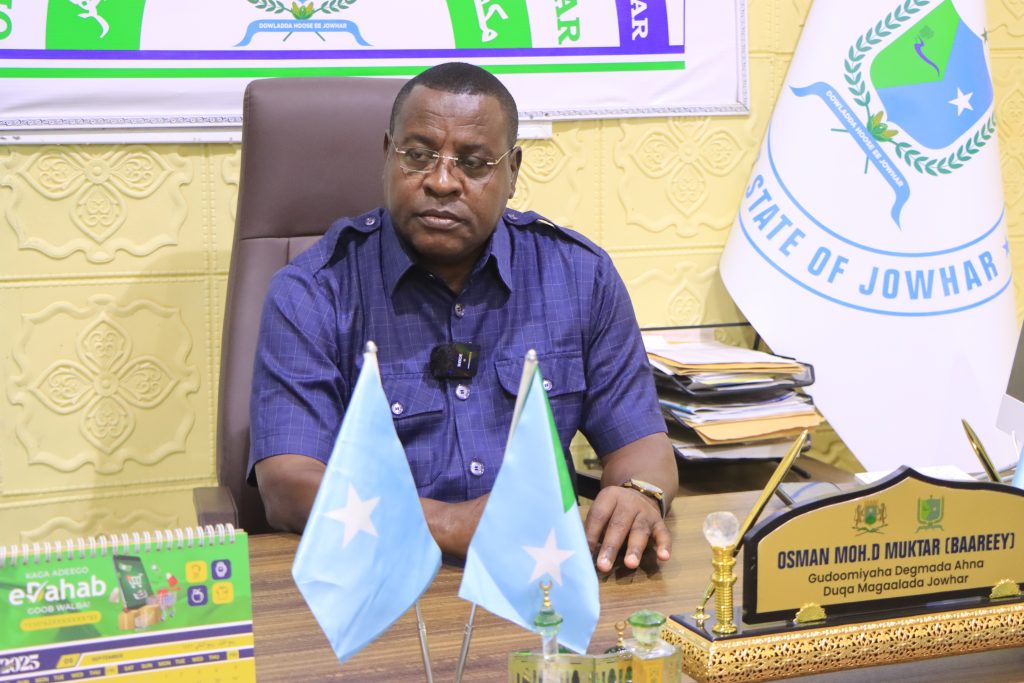
The Mayor of Jowhar district, Osman Mohamud Mukhtar agrees: “Today, the district administration is more accountable to the public. Revenue collection and service delivery are no longer internal matters. Communities now expect transparency, and the council understands that it must respond.”
Why changes matter
The Jowhar point to shifts in how local institutions and communities interact. More open discussion of public finances and services has contributed to higher levels of public trust in the district administration and the District Council. Greater participation by women and young people has also altered who takes part in oversight and decision-making.
Together, these changes are linked to closer relations between citizens and local authorities, fewer complaints linked to limited information about governance processes, and a more open environment for local decision-making.
How FCA’s work contributed
The project focuses on improving district-level governance, widening civic participation, and strengthening relations between authorities and communities in a fragile and conflict-affected setting. While the reality on the ground remains complex, when there’s most trust in the government, there’s less room for instability.
Efforts were made to support the participation of women and young people through structured engagement mechanisms and participation targets. Project activities also aimed to clarify roles within the district administration, improve communication with communities, and align support with state priorities and other stabilization efforts.
Together this all combines to contribute to meaningful, longer-term improvements in governance practices, civic participation, and state–citizen relations in Hirshabelle State.