FCA 2025: Key Results
From our Annual Report
Finn Church Aid (FCA) supported opportunities for over 896,000 people in 2025 despite a historic collapse in global aid funding.
FCA’s 2025 ANNUAL REPORT shows how the organization has adapted despite funding cuts at the start of the year, while continuing education, livelihood, peacebuilding, and humanitarian programmes across Africa, the Middle East, Asia, and Ukraine.
How many people did FCA help in 2025?
We supported over 896,000 people in 2025 with opportunities for a better life.
Key results in 2025

658,017
students given access to quality education, 48.8% girls.

59,734
people supported with basic services through disaster responses, 53% of them women.

19,888
people given access to business development services, 76.7% women.
IN ADDITION, we helped create 1,459 full-time jobs (82.2% held by women), support 636 civil society groups and networks in peacebuilding work and 87,000 women and family members were helped by our sister organisation, Women’s Bank.
What did FCA do in 2025?
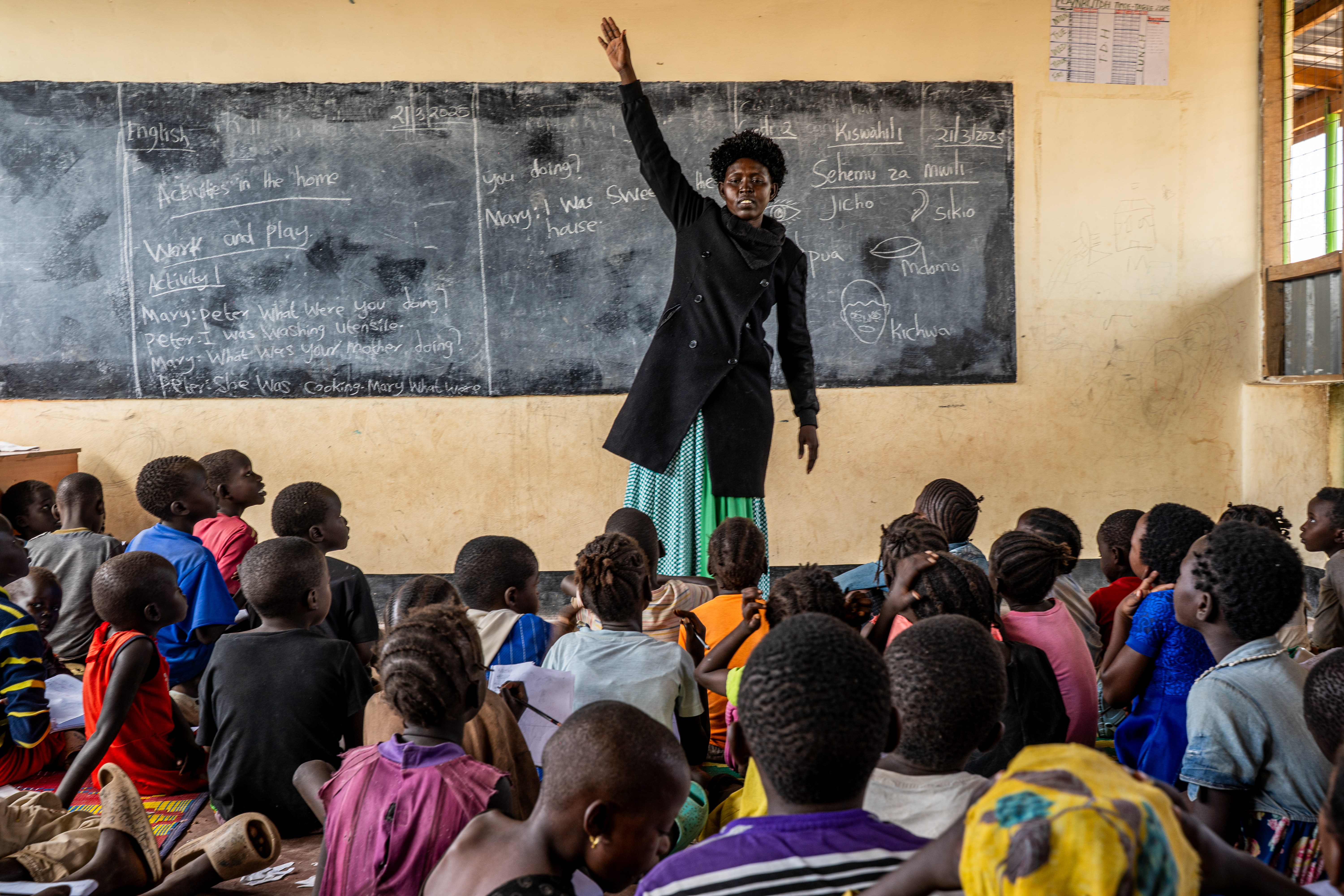
Right to Education: 658,017 students reached, 7,909 teachers trained, 556 school structures built or rehabilitated, and 15,244 persons with disabilities supported.
Right to Livelihood: 79% of graduates from technical and vocational education and training (TVET) were earning a living within three months of graduation; 19,888 people accessed business development services; 1,459 full-time jobs were created or supported.
Right to Peace: 6,457 duty-bearers trained, 636 civil society groups supported, and 8,147 people trained in dialogue-building and civil society engagement.
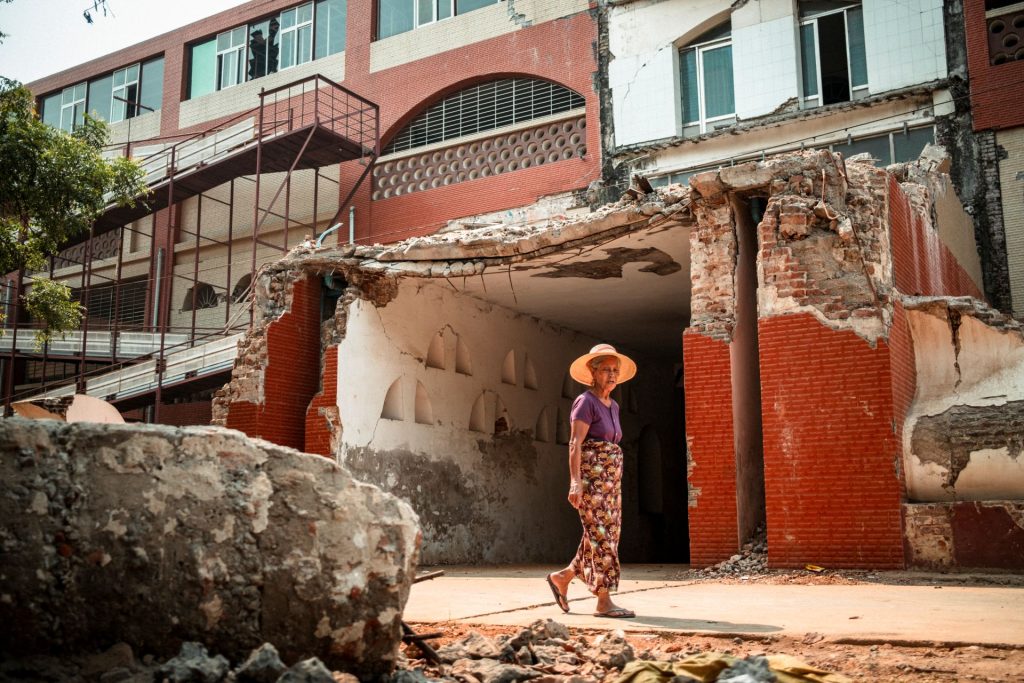
Humanitarian Aid: 59,734 people supported with basic services through disaster responses, including emergency response to the March 2025 Myanmar earthquake; 3,147 people trained in disaster risk reduction and climate adaptation.
Who funds Finn Church Aid?
FCA’s 2025 income of €73.7 million came from international funding (55.8%), private and corporate donations (15.5%), government funding (13.8%), parishes (11.4%), and other income (3.5%). Key institutional partners include the European Union, UNHCR, UNICEF, UNDP, UN Women, Education Cannot Wait, Sida, Agence Française de Développement, and the governments of Finland, Germany, the Netherlands, and the United States.
Why did FCA’s funding situation change in 2025?
International aid experienced a historic collapse in 2025, when 23 per cent of total global funding for aid work was cut. The cuts hit humanitarian assistance particularly hard, reducing it by 36 per cent. The United States’ decision to cut international aid funding overnight cost FCA a $7 million US dollar grant at the start of the year, forcing layoffs and rapid programme adjustments. Despite this, FCA’s total revenue only fell 1.1 per cent year-on-year, landing at €73.7 million, partly because 2024 included an exceptional one-off large donation.
How does FCA spend its money?
Of FCA’s €74 million total expenditure in 2025, 86 per cent (€63.9 million) went directly to international aid programme work, with the remainder split between fundraising and communications (4%) and administration and support functions (7%) and resource mobilization (3%). Spending by country was led by Ukraine (19%), Uganda (17%), South Sudan (9%), and Somalia and the Central African Republic (7% each)
Looking forward, FCA is making a strategic shift toward deeper collaboration with local and international partners, diversified private-sector partnerships and continued advocacy for safeguarding education in crises and conflicts. We will continue to respond innovatively to a funding environment we expect to remain difficult for the foreseeable future.
Where can I find out more about FCA in 2025?
The full annual report includes detailed regional breakdowns, donor information, financial statements, and personal stories from FCA’s programme countries.
→Read the full Finn Church Aid 2025 Annual Report