Human Rights Day: new toolkit promotes disability inclusion in peacebuilding

Finn Church Aid (FCA), the Peacemakers Network, and Abilis Foundation recently launched a new Disability Inclusion Toolkit to ensure that persons with disabilities are not left out of peacebuilding and recovery efforts.
Too often, people with disabilities are excluded from decision-making during conflict and post-conflict recovery. As we mark the end of the 16 Days of Activism Against Gender-Based Violence and reflect on the International Day of Persons with Disabilities, one truth stands out: peace and justice cannot be sustainable without inclusion for all.
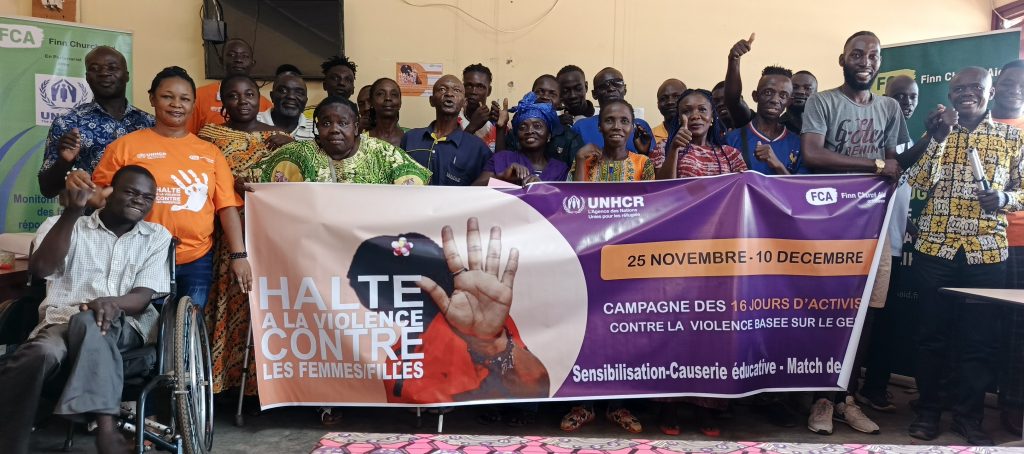
Throughout our work – from early-years disability screening for babies in Uganda, to supporting job-seeking youth in Syria or fostering meaningful inclusion of persons with disabilities in reconciliation and governance efforts in Somalia – we are working towards inclusion as foundational to all our efforts.
A Practical Guide for Peacebuilders
Developed with Abilis and the Peacemakers Network, the new toolkit serves as a hands-on guide for governments, civil society, peace practitioners, and donors. It emphasises that disability inclusion is not optional—it is essential for building cohesive societies.
“Including everyone in peace processes is the benchmark for real participation and democratisation. By ensuring no one is left behind, we put our values into practice,” said Ikali Karvinen, Deputy Executive Director of FCA.

Somalia Case Study: STRONG Project
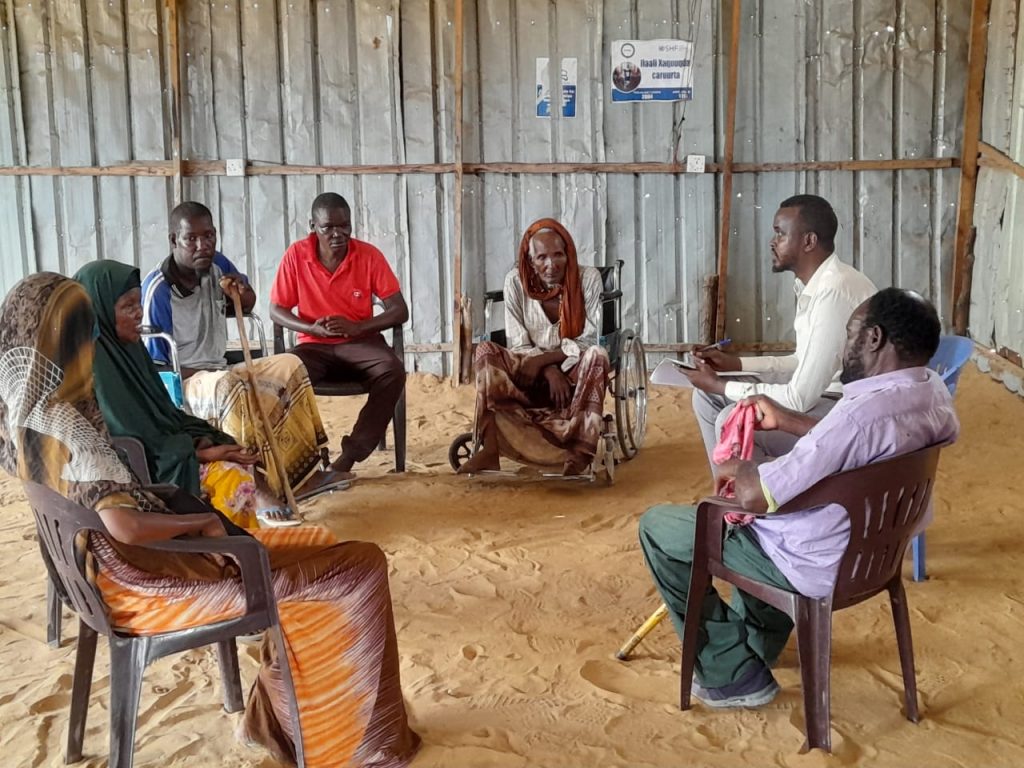
The toolkit draws on lessons from FCA’s STRONG project in Somalia, where peacebuilding has advanced since the 1990s civil war—but often without considering disability rights. With 11.7% of Somalia’s adult population living with disabilities, their participation in reconciliation and governance remains limited.
Funded by SIDA and implemented with Somalia’s Ministry of Interior, Federal Affairs and Reconciliation (MOIFAR) and Abilis Foundation, the STRONG project assessed gaps and opportunities for disability inclusion across four Federal Member States.
Global commitments
International frameworks reinforce this responsibility. UNSCR 2475, the CRPD, and the 2030 Agenda for Sustainable Development all affirm the right of persons with disabilities to participate fully in peace processes.
“Peace cannot be just or sustainable if persons with disabilities are excluded. This toolkit is a roadmap for transforming systems so that their leadership becomes the norm,” said Jessica Roland, Senior Specialist for Inclusive Peace at the Peacemakers Network.
Access the full formats of the global toolkit and framing of the toolkit.
Access the easy-to-read version of the global toolkit and the easy-to-read version of the framing of the toolkit.