“Creating a society where women and girls feel heard, supported, and safe.”
Gender-Based Violence (GBV) continues to be one of the most pressing human rights challenges in Nepal. It is a daily reality shaped by unequal power relations, deep-rooted social norms, and structural barriers that silence survivors, writes FCA Nepal’s Isha Bhusal.
FCA Nepal has taken this challenge head-on, working across diverse communities, institutions, and age groups to spark conversations, shift behaviours, and strengthen systems that protect women and girls. What makes FCA Nepal’s approach stand out is not just the breadth of activities but the way these interventions connect and reinforce one another, creating a ripple effect of change.
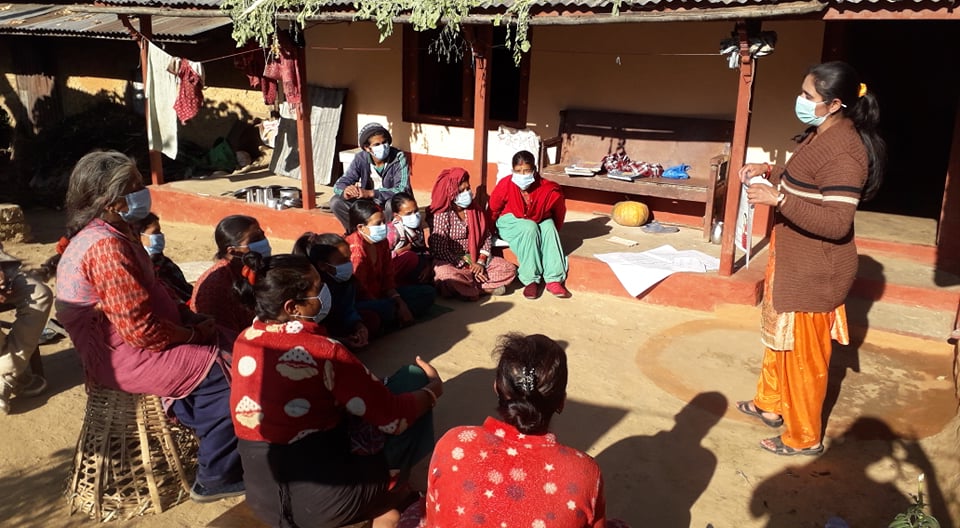
One of the strongest pillars of this work has been prevention through dialogue. Last year, FCA Nepal organized 78 family dialogue sessions this year alone, reaching 1,705 people across multiple municipalities, including 268 men whose participation signals a growing willingness to reflect on long-held gender norms.
These sessions created a space for families to openly discuss domestic violence, early marriage, household labour division, and girls’ access to education, all topics that often remain tucked away behind closed doors. Tools like the 24-hour workload analysis were simple yet eye-opening, allowing participants to visually compare the daily labour responsibilities of men and women.
Shared experiences are transformative
These conversations were complemented by transformative community led REFLECT sessions. Across the year, 23 community initiatives and two larger interaction events tackled issues like child marriage, caste discrimination, GBV, and harmful practices such as Chhaupadi, a harmful practice that labels menstruating women and girls as “impure,” isolating them in animal-shed during the time of menstruation.
Women’s groups used these gatherings to share their experiences, challenge discriminatory traditions, and learn about menstrual health and well-being. A particularly powerful moment unfolded in Dhangadhi, where ex-bonded labourers and municipal leaders came together for a dialogue on violence and justice. The event didn’t just raise awareness; it increased community confidence to report cases and collaborate on solutions.
Beyond community dialogue, FCA Nepal played an important role in local advocacy. The programme supported seven municipalities to develop advocacy plans that integrate Gender Equality and Social Inclusion (GESI) and GBV priorities. It also engaged with federal ministries and the Office of the Prime Minister, ensuring national-level conversations reflect the concerns of marginalized groups. These efforts helped build a bridge between community realities and government commitments, encouraging municipalities to take greater ownership of GBV prevention and response.
Supporting survivors
A critical part of FCA Nepal’s work lies in supporting survivors. This year, the programme identified 10 cases of violence and ensured each survivor received appropriate and timely support. Four survivors were provided counselling through home visits, two were referred to safe houses, and the remaining cases received legal or psychosocial support from partner institutions.
One of the most impactful achievements of the year has been the establishment of Female Friendly Spaces in earthquake-affected and disaster-prone areas such as Rukum-West and Madhesh. These spaces became safe, welcoming centres where women could access psychosocial support, learn about GBV and Sexual and Reproductive Health and Rights (SRHR), and find stress management resources.
The approach was holistic, combining group sessions with door-to-door outreach and case identification. A total of 2,173 women and 252 men benefitted from these services. Local management committees were formed to keep these spaces active even beyond project timelines, anchoring long-term community ownership.
Women-led civil groups are leading the change
Empowering women-led civil society groups has also been a major focus. This year, 3,092 members from 190 groups received training on leadership, gender justice, networking, and mobilization. These groups are now better equipped to advocate for their rights, challenge discriminatory norms, and hold local institutions accountable.
These groups didn’t just learn; they acted. They conducted campaigns against GBV, early marriage, caste-based discrimination, and harmful menstrual practices, and even intervened to prevent three planned early marriages.
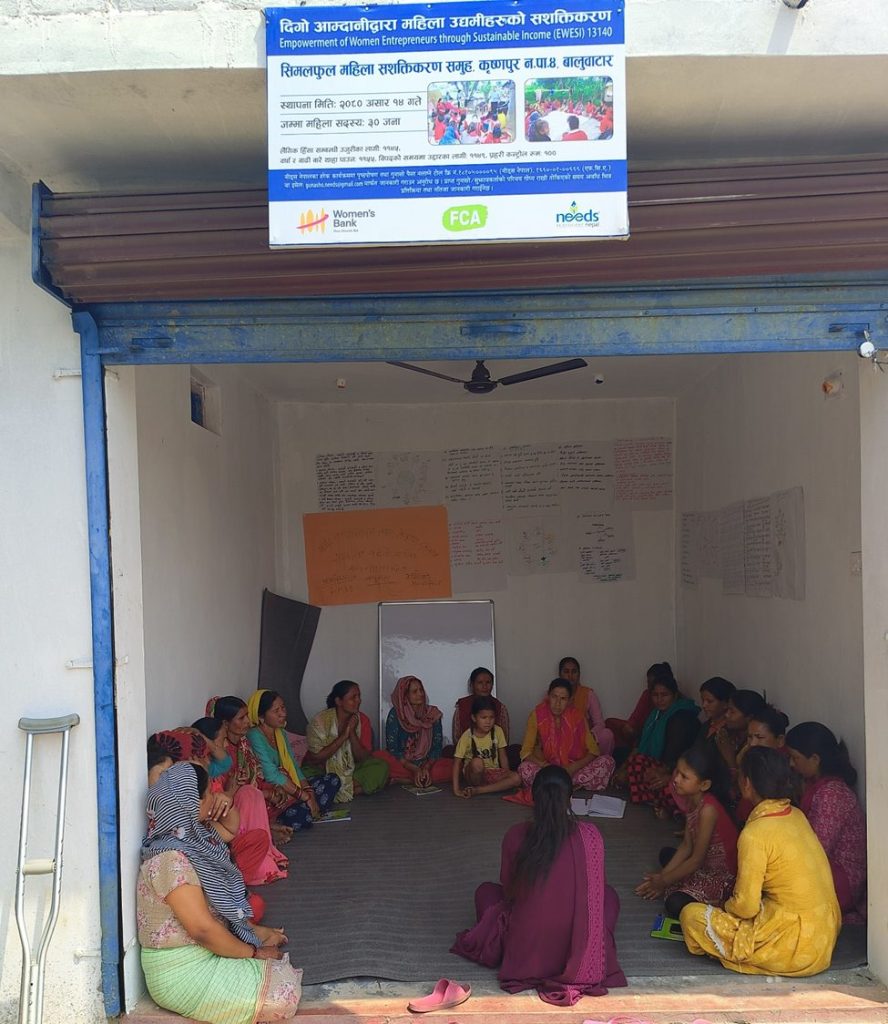
Institutional strengthening remained another important thread. FCA Nepal trained 1,189 duty bearers, including judicial committee members, municipal staff, teachers, and elected representatives, on gender equality, social justice, and GESI-responsive planning. These trainings helped municipalities form GESI policy drafting committees and encouraged them to allocate resources for inclusive development. Strengthening local institutions in this way helps ensure that systems — not just individuals — are equipped to respond to GBV and support vulnerable groups.
Awareness is a vital strategy
Across communities, awareness remained a vital strategy. FCA Nepal partnered with local governments to organise events during International Women’s Day, the Day of the Girl Child, and the global 16 Days of Activism. These events brought students, women’s groups, and local leaders together to learn about GBV, rights, reporting mechanisms, and available support services. FCA Nepal also trained Technical and Vocational Education and Training (TVET) graduates, youth, and partner staff on GBV and Protection from Sexual Exploitation and Abuse (PSEA), reinforcing safe learning and working environments.
Young people formed a major part of FCA Nepal’s prevention efforts this year. Through the rollout of the Adolescent Life Skills Manual, the programme carried out 264 sessions with girls and boys on topics ranging from sexual harassment and discrimination to emotional well-being, online safety, child abuse, and SRHR. These sessions helped adolescents build confidence and become more aware of the risks around them. Many schools also formed student-led GBV reporting committees, proof that young people are ready not just to learn but to lead change.
FCA Nepal’s integrated approach — linking community dialogue, safe spaces, civil society empowerment, adolescent engagement, advocacy, and institutional strengthening —demonstrates how change becomes sustainable when everyone is part of the effort.
As we move forward, these actions continue to lay the foundation for a Nepal where harmful practices are challenged, systems respond effectively, and every woman and girl can live with dignity and security. The journey is ongoing, but each step taken has pushed the needle toward a safer, more equitable future.