
When the Water Takes Everything
In Fangak County, South Sudan, repeated flooding and conflict have transformed how families live, work and plan for the future. For Nyareak Duoth, 42, the consequences are personal: displacement, the loss of her husband during conflict, and the responsibility of raising five children in a place where earning enough to eat and attend school is a daily struggle.
THE SUN WAS already rising over Paguir Payam in Fangak County, South Sudan. By 8 am, the temperatures had reached 30°C, but it felt closer to 35°C. The light spread across a landscape shaped by water, where communities have spent years trying to protect the ground beneath their feet.
In a place where families have been forced to move from flooded villages to higher ground, the heat is another part of a daily struggle that rarely offers a break.
Nyareak Duoth knows what it means to begin again. At 42, she has already rebuilt her life more than once, moving with her children from Puyai to Paguir after flooding forced them from their home.
She once lived in Puyai, where she had her home, her husband and her children. In 2018, flooding forced her to leave. That same year, her husband was killed during fighting that erupted amid the floods.
“He died due to the difficulties of floods,” she says. “People fought during the floods season and he was killed.”
The sentence carries two experiences that are difficult to separate. The water displaced her family. Conflict took her husband. The consequences have remained intertwined ever since.
Floods increase instability
Nyareak is now raising five children, three daughters and two young sons, whose ages range from approximately three to twenty years. She came to Paguir, a settlement on relatively higher ground that has become an important refuge for people displaced by years of flooding and conflict in Fangak. For Nyareak, it was a town, a place where she hoped to find work and earn enough to feed her family.
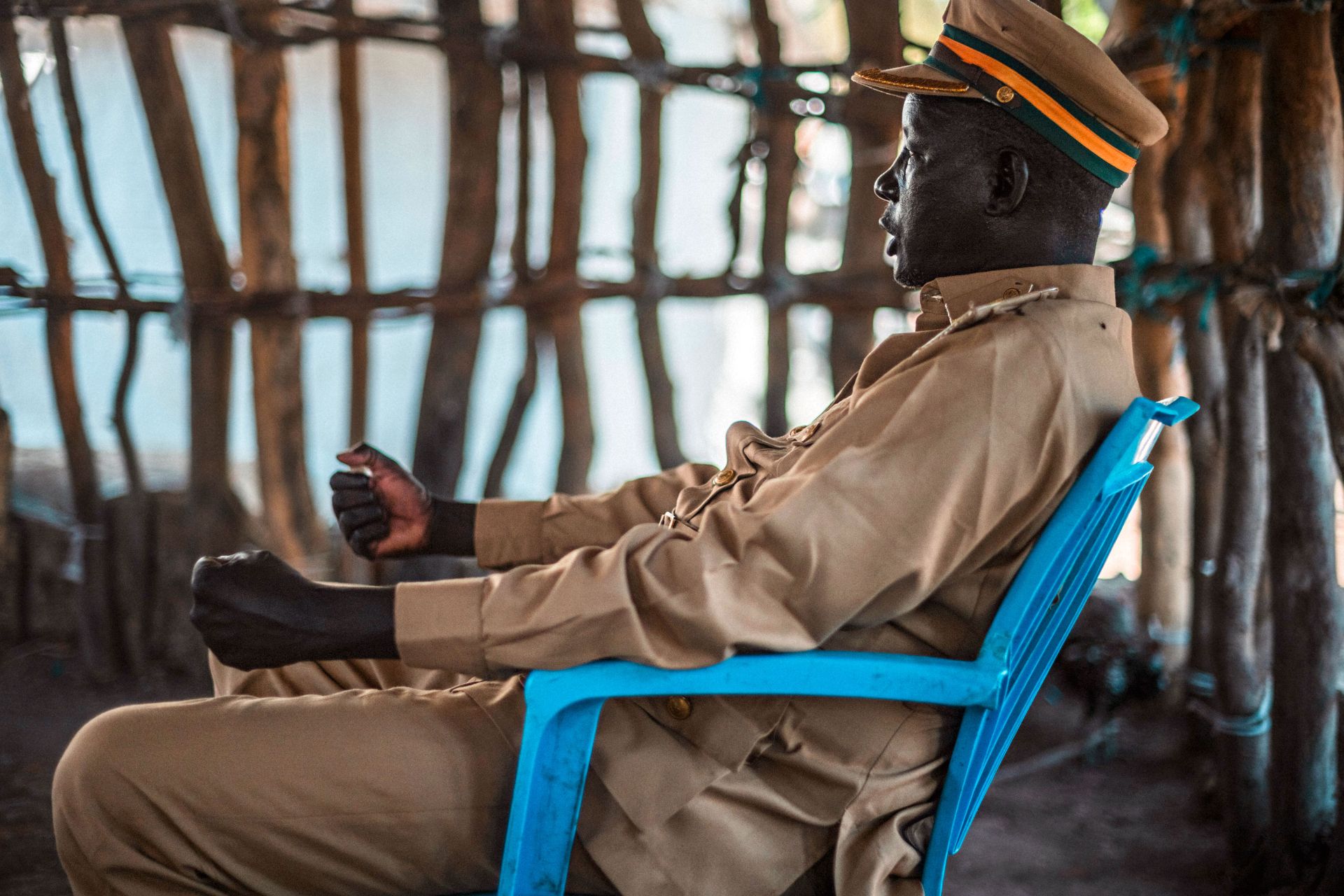
At the same time, according to the district’s deputy head, Lusal Kuol Jock, the area has also become more turbulent. Land and livestock are regularly stolen, and the political disputes plaguing the whole of South Sudan have spread to Paguir as well. Life in the area is difficult, but leaving is even harder, as there is turmoil all around.
“Other communities aren’t particularly welcoming,” says Lusal Kuol Jock.
Al-Sudd – a prime example of the climate crisis
If one were to look for a textbook example of the effects of climate change, it could be found right here, in the al-Sudd wetlands.
Climate change brings with it both extremes: excessively long dry spells and floods. In the Fangak region, floods have been the most visible disaster caused by climate change. A little further east in the same state, a severe drought is withering the crops and farmland.
The legendary Nile, which flows through South Sudan, has always shaped the lives of the people living along its banks. It has served as a route of travel, provided a livelihood and created fertile soil for various crops. The water has also brought destruction and loss.
The relationship between the local people and the Nile has changed dramatically only in the last decade. According to statistics, the floods have affected the lives of up to a million people every year. Residents of the Nile banks and the al-Sudd marshlands are particularly vulnerable. The water has robbed them of their homes, schools, health centres, clean drinking water and livelihoods.
Between 2019 and 2021, Fangak County experienced three particularly severe years of flooding, during which the water swept away villages, crops and livestock. In 2024, the floods returned and the water cut off villages and homes. People in the area are now living as if on small islands, as the water level remains at record highs.
The floods swept away traditional livelihoods
Cattle and goats, which once symbolized wealth, have fallen ill and died as a result of the floods. People who used to make a living from farming are now dependent on humanitarian aid and whatever edible food nature provides.
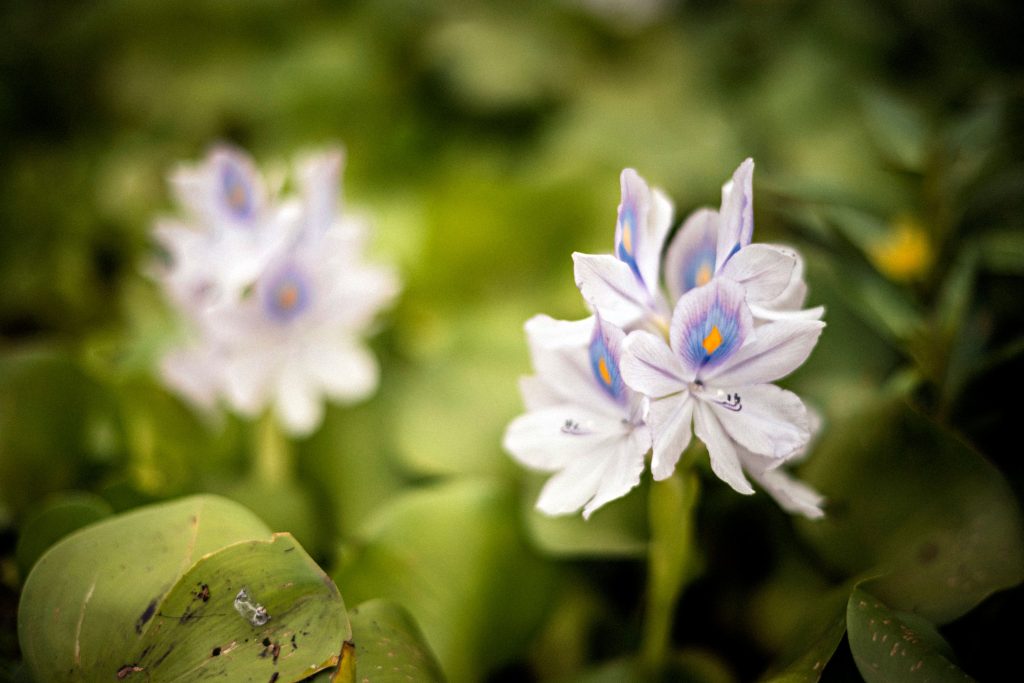
For example, the locals have started gathering water lilies that grow in the marshes; flour can be made from their roots and tubers. Nyareak also gathers water lilies to make food for her children.
Humanitarian aid is no longer what it used to be. Cuts by the United States and other former major donors are having a direct impact on people’s plates. A vicious circle has emerged in which people who are already living on very little are receiving even less, and the problems are mounting.
An EU-funded project restored hope
Nyareak Duoth still remembers the maize and sorghum fields. Now there is nothing but water in their place.
“Because of the water, everyone is going hungry, as we have nowhere to grow crops.”
Of the traditional livelihoods, only fishing really remains. However, fishing requires equipment, such as a canoe and a net, which not everyone can afford.
Those who have money can also buy food from travelling traders. Nyareak, on the other hand, has to borrow from his neighbours.
“For the sake of my children, I’ll even beg if I have to,” says Nyareak.
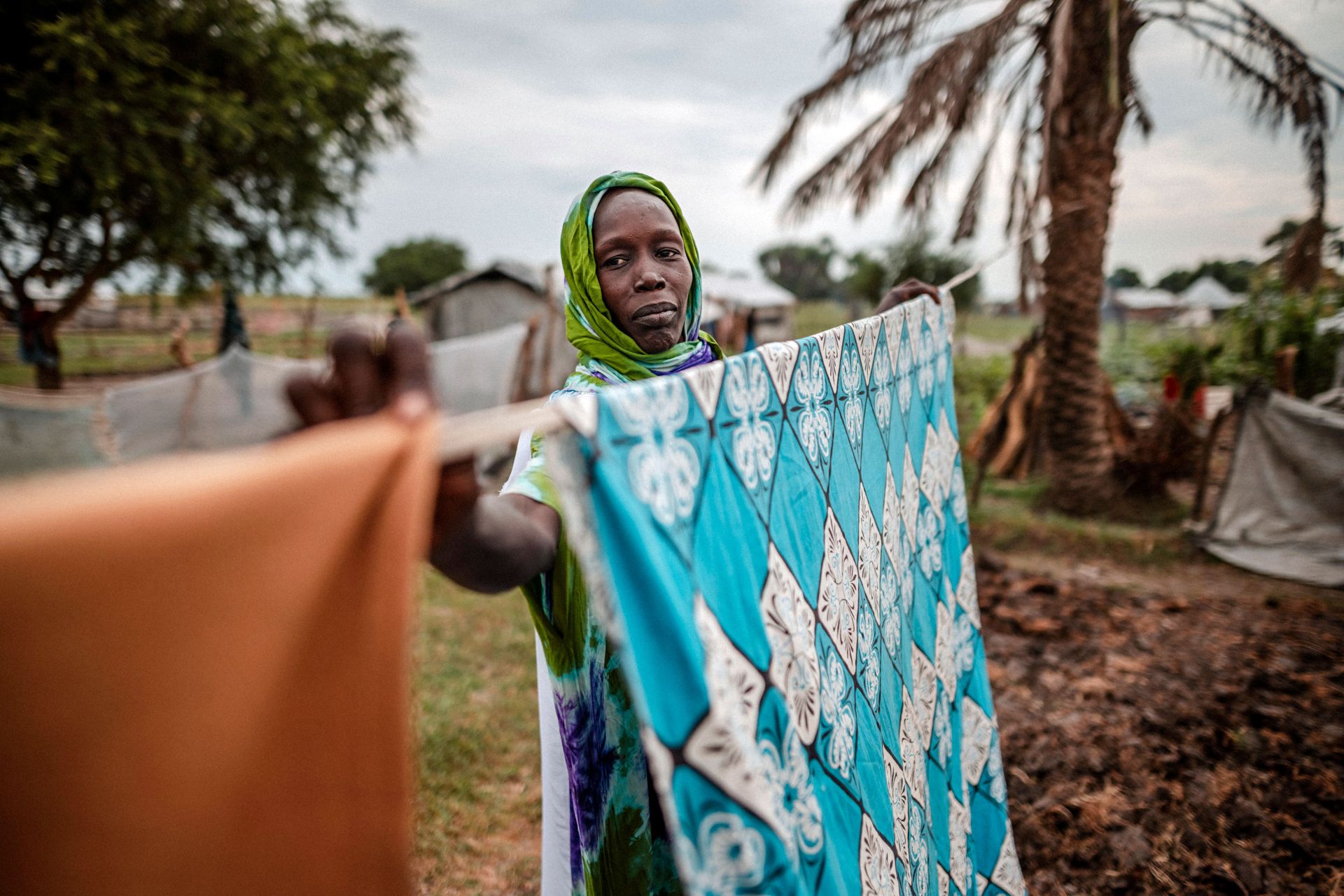
Nyareak was helped by a project run by Finn Church Aid and funded by the European Union, which provided cash grants to support the children’s schooling in the area. The support was aimed at families in particularly vulnerable situations. With the money she received, Nyareak was not only able to cover her children’s school fees but also had the opportunity to invest in a restaurant located near the market.
“The support gave me the chance to do more than just sit at home.”
Nyareak now works alongside four other women. On a good day, Nyareak earns 15,000 South Sudanese pounds (2.25 euros); on a bad day, 5,000 (0.75 euros). Sometimes she makes no profit at all. On those days, Nyareak has to borrow money.
Children’s education is a priority
As a single parent, Nyareak’s biggest concern is keeping her children in school. So far, she has only been able to provide an education for three of her five children.
“I suffer terribly if my children can’t go to school and I can’t even give them anything to eat,” says Nyareak.
If one of the children falls ill, Nyareaki cannot always afford to pay for their treatment and medicines. If she falls ill herself, it jeopardizes the whole family’s livelihood.
Water has transformed the landscape of the area, but it has not managed to dampen the local people’s spirit. Young people gather at weekends to build flood defences, fishermen cast their lines from their narrow canoes, and women try to grow whatever is edible on their small, water-logged plots of land.
However, external aid is necessary. For Nyareak, it has made it possible for her children to attend school and has secured her livelihood. Nyareak hopes that his school-age children will be able to continue their studies. The future of the restaurant, on the other hand, remains uncertain and Nyareak has to think carefully about how to spend her money.
“I’m pleased, though. If my children hadn’t received support, I wouldn’t have a job either.”
Kiden Viola Lubang’s blog ‘The Places We Struggle To Reach’ tells the story behind the report.